
The many lives of Estación Indianilla
Charlotte Smith is a storyteller and unapologetic observer of life in Mexico, who writes about the country as she experiences it - with curiosity, a healthy dose of skepticism, and genuine affection. From people and places to the strange, funny, and sometimes complicated moments of everyday life, Charlotte believes there’s a story almost everywhere if you stop long enough to notice it.
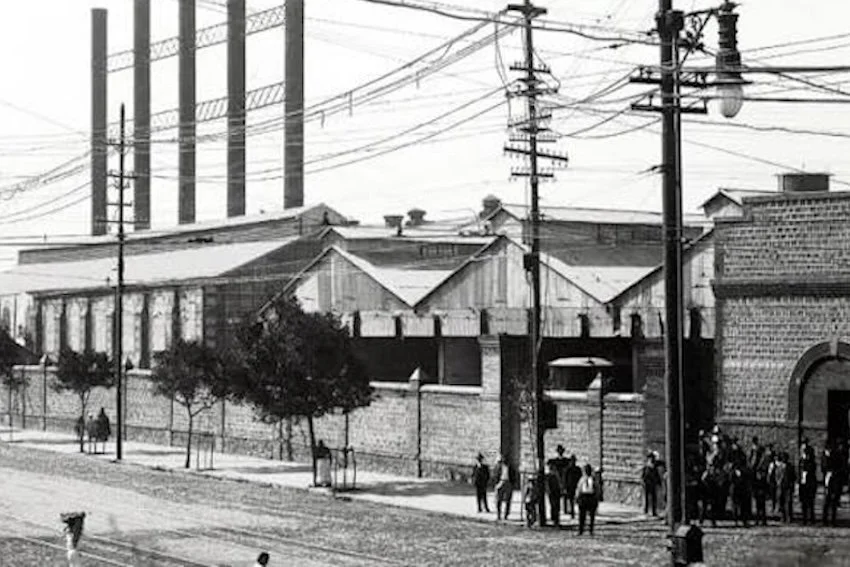
If the walls of Estación Indianilla could talk, they’d have one hell of a story to tell.
They’d tell you about the days when Mexico City’s streets were filled with streetcars and this enormous building in Colonia Doctores was where those cars were assembled, repaired, and powered. They’d tell you about the machinery that once helped keep the city’s electric tram system moving. They’d tell you about a film crew arriving in 1953 to shoot a movie about a streetcar. They’d tell you about the years when the building stood empty. They’d tell you about the days before anyone decided the old building deserved another chance.
Today, Estación Indianilla is a cultural centre. But that’s only the latest chapter, in a story that actually begins in 1880.
Mexico City was a very different place then. The capital was growing rapidly, and the horse-drawn streetcars that had begun appearing in the city were gradually giving way to electric transportation. Indianilla was built to be part of that transformation.
The enormous industrial building served as a streetcar assembly and maintenance facility, and later housed electrical equipment used to generate power for the city’s tram system. For decades, the sounds coming from inside had very little to do with art.
There were machines to repair, streetcars to maintain, and a transport system to keep moving. And then, in 1953, Indianilla briefly became something completely different.
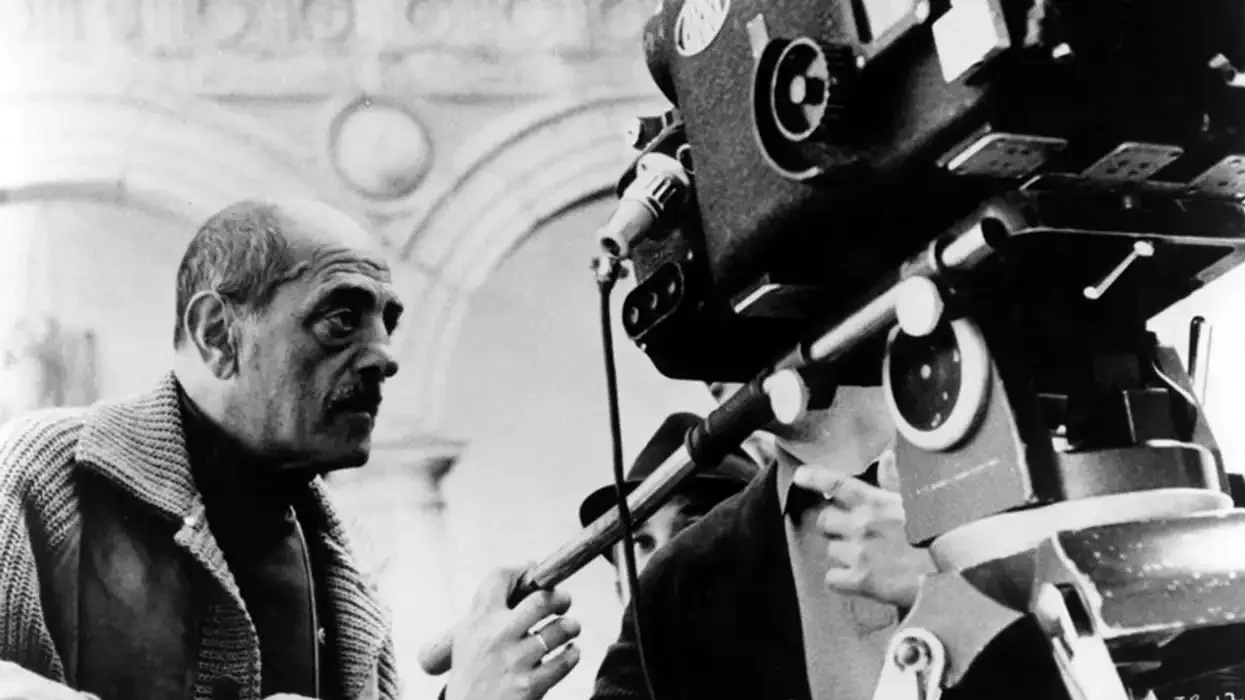
It became a film set.
Luis Buñuel came to Mexico and used the building while making La ilusión viaja en tranvía (Illusion Travels by Streetcar). It’s difficult to imagine a more fitting location. Buñuel’s film follows a pair of tram workers who take a streetcar out for what was supposed to be a routine final journey and end up on an increasingly chaotic adventure through Mexico City.
The city outside the building was changing, but so too was the transport system inside it. Eventually, the streetcars that had once made Indianilla so important began disappearing.
The building continued in use until 1985. Then came the quiet years. Indianilla was abandoned and, for roughly two decades, became a storage space for government documents.
Think about that transition. A place once built around the movement of people became a place where things simply sat still.
And then, in 2006, someone opened the doors again.
This time, the building wasn’t being brought back as a transport facility, it became the Centro Cultural Estación Indianilla. And I think this is where the story gets particularly good.
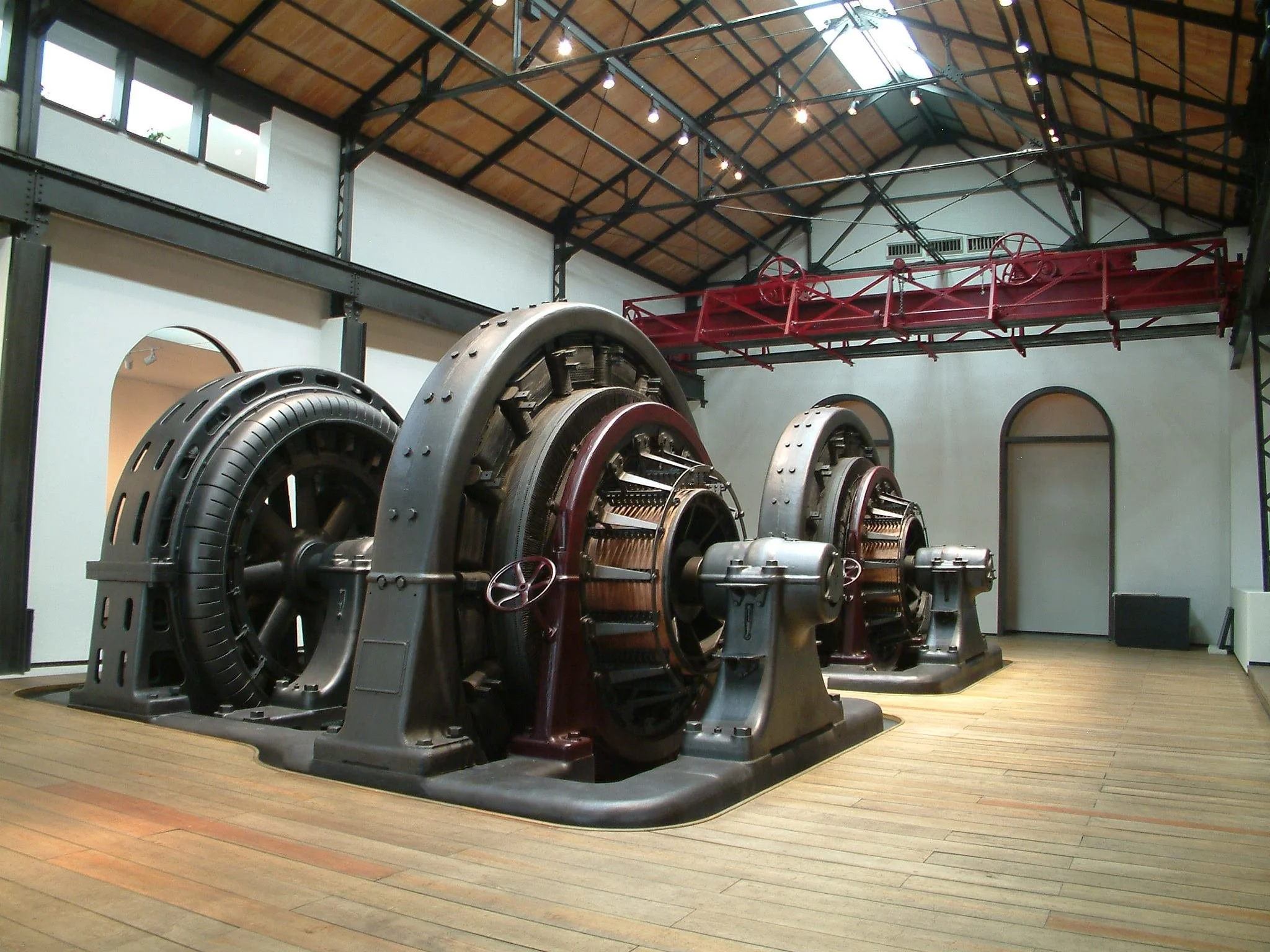
The sense of memory here has been well preserved. The building still looks like what it is: an old industrial space, not a shiny new museum. Some of the original machinery remains. The huge rooms that once accommodated streetcars now hold exhibitions and cultural events. The things now happening inside are almost comically different from what the building was designed for.
There are photography, printmaking, and lithography exhibitions. There are art and writing courses. And there’s a collection of around 600 works and objects, including antique toys and pieces of Mexican popular culture.
It’s a strange combination. An old streetcar factory filled with art. But the more you think about it, the more it works. Industrial buildings are built to accommodate people making things, and Indianilla still does. The things being made are just very different.
There’s something rather delightful about the fact that the building hasn’t lost its connection to the streetcars completely. You can still see the machinery that was part of that earlier life. And somewhere in the building’s history is that Buñuel film, which means Indianilla isn’t just connected to Mexico City’s transportation history. It’s connected to its cinematic history too. That’s a lot of lives for one building.
Mexico City is full of famous buildings with famous histories. You can spend an entire afternoon ticking them off a list. But there are other buildings that don’t announce themselves.
They don’t have the enormous crowds or the grandest architecture. They just sit there, quietly carrying whatever came before, until someone starts asking questions.
What was this? Who worked here? What happened to it? How did it survive? And what is it now? Indianilla has rather good answers to all of them.
It was part of the machinery that helped a growing city move. It employed people and maintained the streetcars they depended on. It became part of a film. It was abandoned. It became a warehouse. And then, more than a century after it was built, it became a place where people come to make art.
Not every old building needs to become a cultural center, but this one has managed to remain useful without pretending to be something it isn’t.
The streetcars are gone and the machinery is largely silent, but the building is still being used to make things happen.
Just different things.
Not the kind that sits behind glass and tells you what happened here, but the kind that’s still standing around, waiting for you to notice it.