
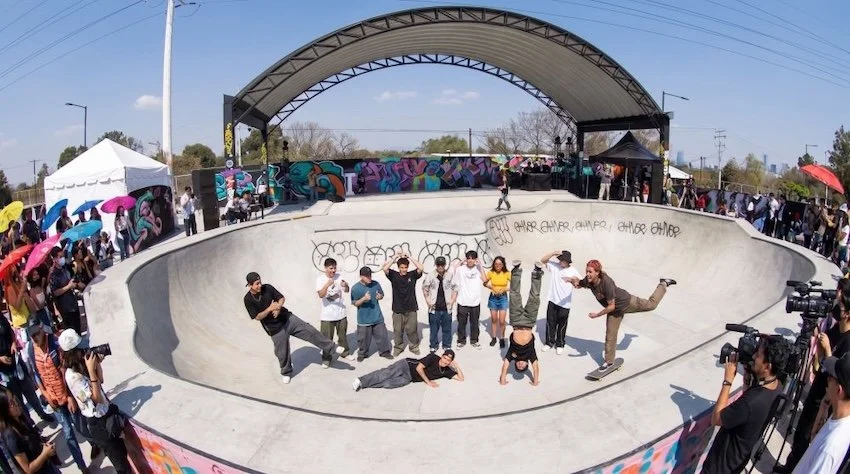
Mexican kids are going outside, and you can thank TikTok for it
Somewhere in Morelia's historic centre, a teenager strikes a pose and a crowd decides whether it was impressive enough. There is a name for this, and it sounds ridiculous.
What isn’t ridiculous, though, is the effect it’s having on kids across Mexico. Perhaps we were wrong to tell them to get off their phones after all, writes Charlotte Smith.
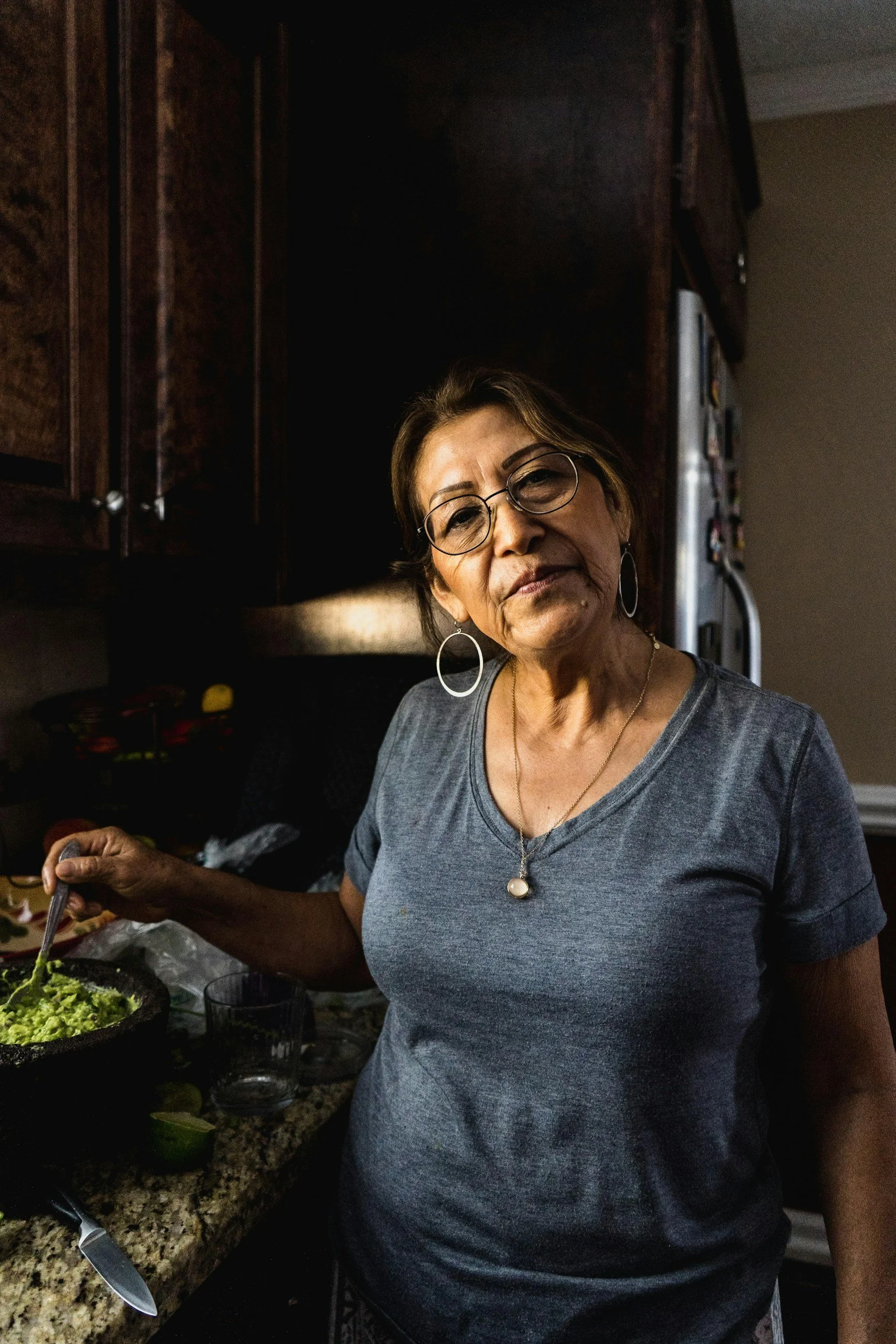
A wholly unresearched conclusion about Mexican skincare
Somewhere between forty and eighty, the women of Mexico City appear to stop acquiring lines.
Their hair whitens, gravity does its patient work, and still: no crow's feet, none. Bethany Platanella has been keeping count — grandmothers, shop owners, the woman who sells her juice — and at forty-two she is losing badly. These (might) be the skincare secrets that Mexico’s women are hiding.
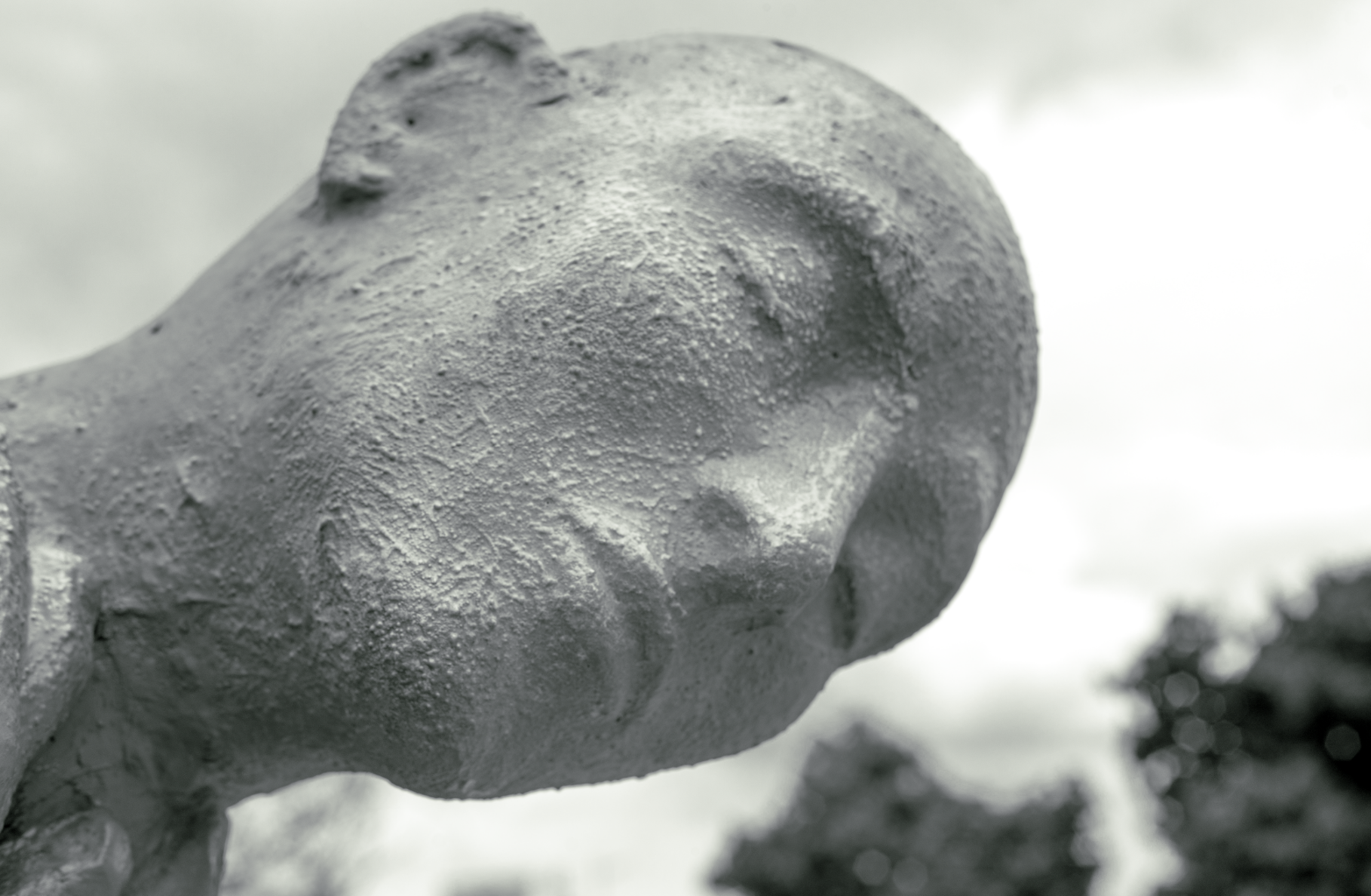
The ache of what once was: Saudade, loss, and ‘Ya no estoy aquí’
Leave somewhere for long enough and it changes without you. In Ya no estoy aquí, a Monterrey teenager is forced from the cumbia crew he lives for and watches, from exile, as that world comes apart.
For Rocio who left a village in Durango at twelve and stopped going back once the violence arrived, it holds a feeling almost anyone who has left will recognise.
On saudade, and what survives it.
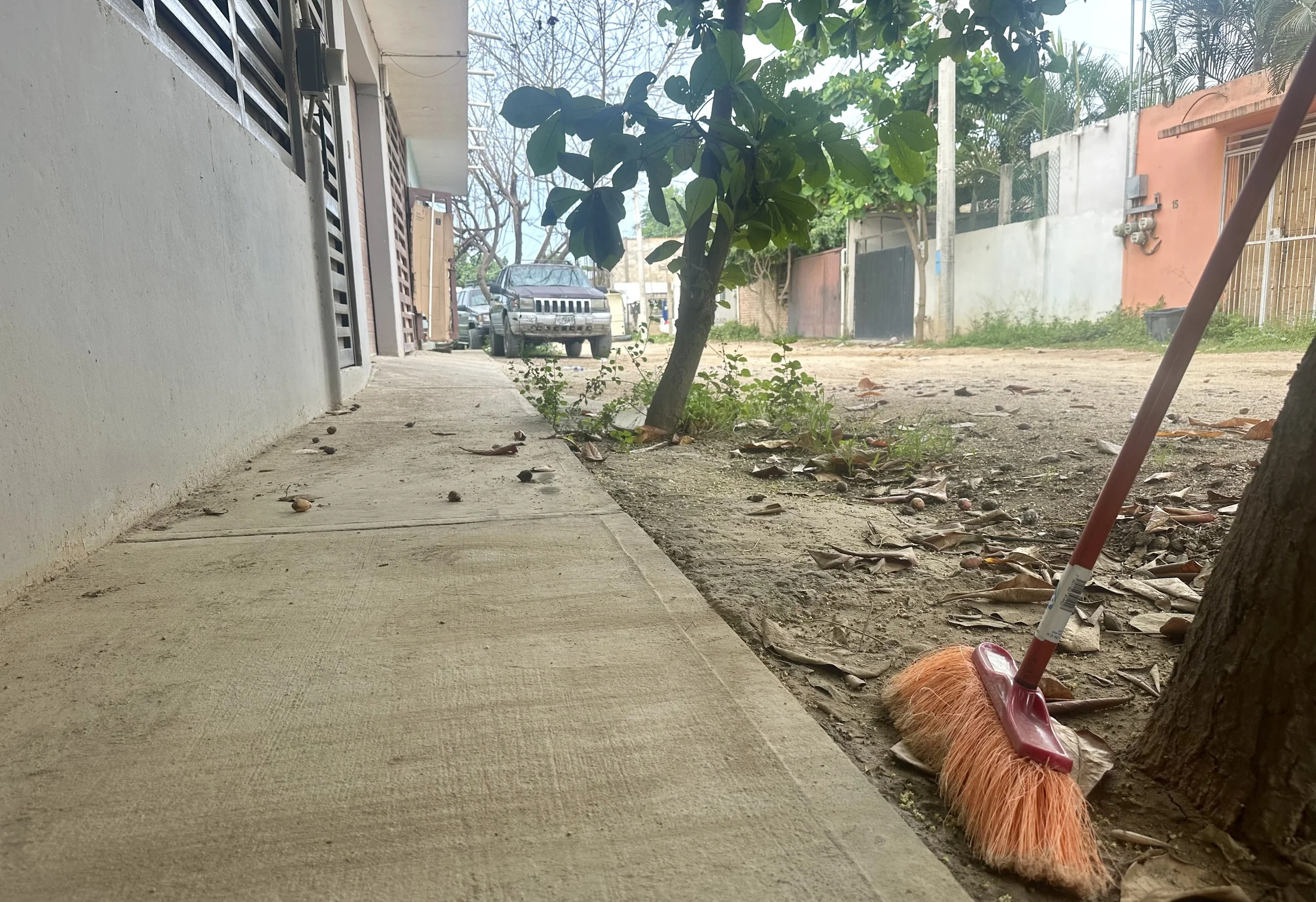
Swept up together
Long before the sun is up, the brooms come out. Along three dusty streets on the east side of Bucerías, neighbours sweep their stretch of road into neat arcs and lay the dust with water flung from plastic jugs.
The wind will undo all of it within the hour. Señora Alma sweeps anyway, and leaves a sprig of bougainvillea on a gate when someone is ill; Miguel wets the road and hums an old ranchera while he works.
Charlotte Smith explains what a swept threshold says, and to whom.
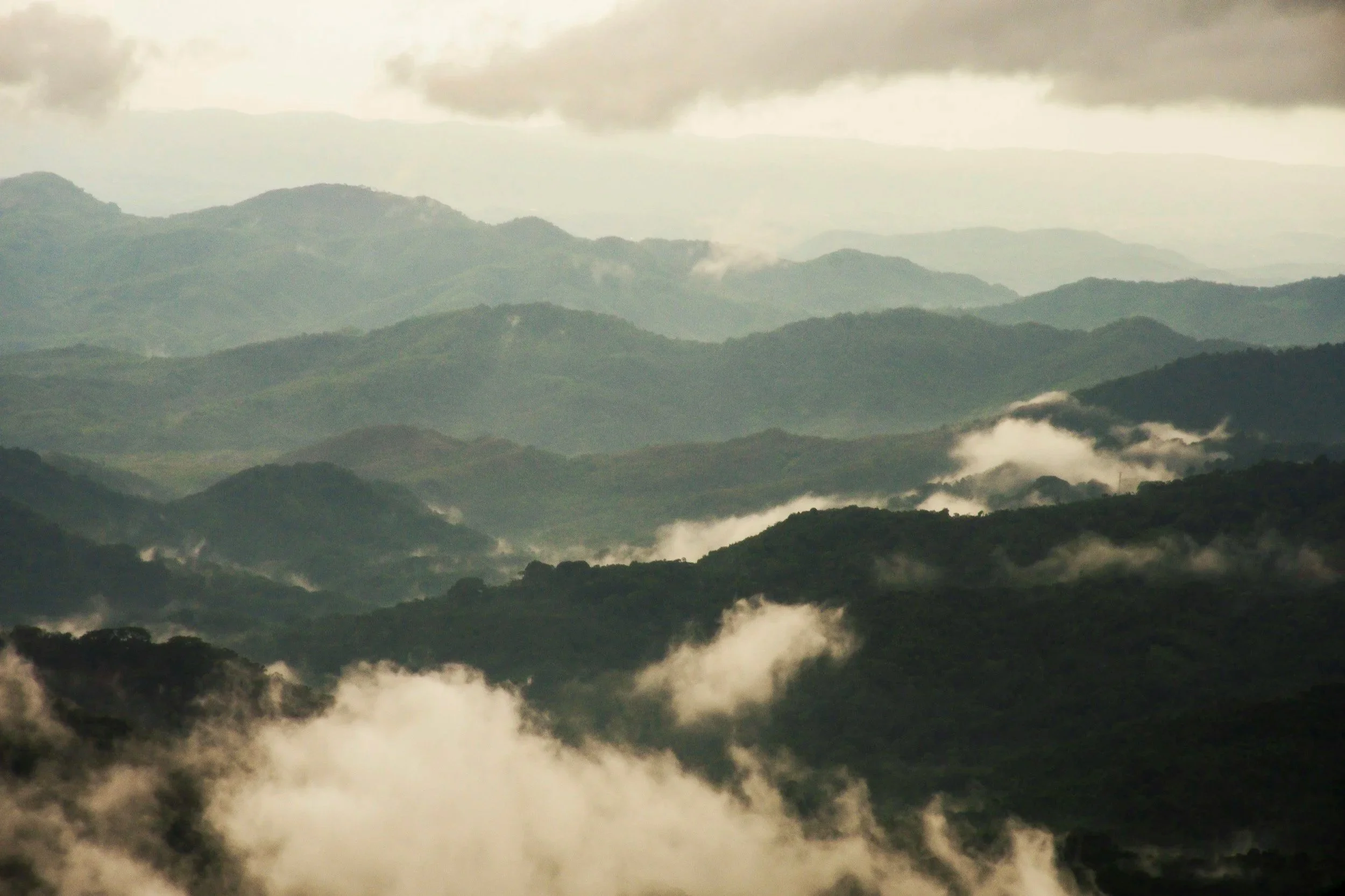
A place worth staying: The story of the first Mexicans
Ancient Mexican cultures have left us a wealth of archaeological sites, from the pyramids of the Yucatan to the remains of the Templo Mayor in the very center of Mexico City. However, the construction of towns with pyramids, palaces, and ball courts came relatively late in the country's history.
Gordon Hawkes looks at the thousands of years that lie between humans arriving in Mexico and the first monumental architectural projects.
History, Pozole, and the power of a well-timed ‘¡Viva!’
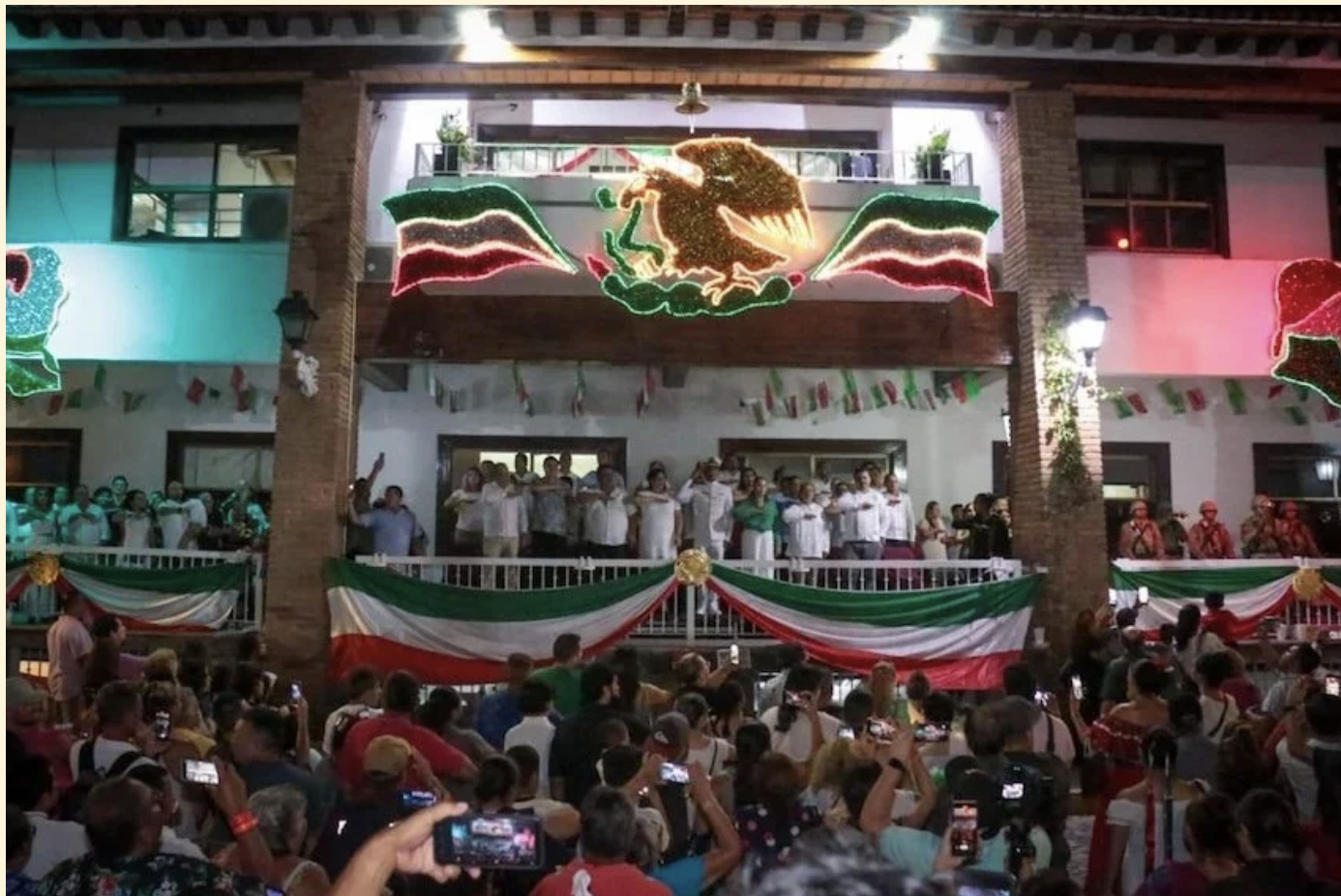
In 1810 a priest rang his church bells and shouted for the end of Spanish rule. Two centuries on, every town in Mexico still shouts back.
On the night of September 16 the plaza in Puerto Vallarta fills by seven, becoming a sea of flags, children in charro suits, grandmothers with trays of pozole. A bell sounds, the names of the heroes are called out one by one, and the crowd answers each with a roar.
No matter if you’re Mexican or not, it’s impossible not to join in.
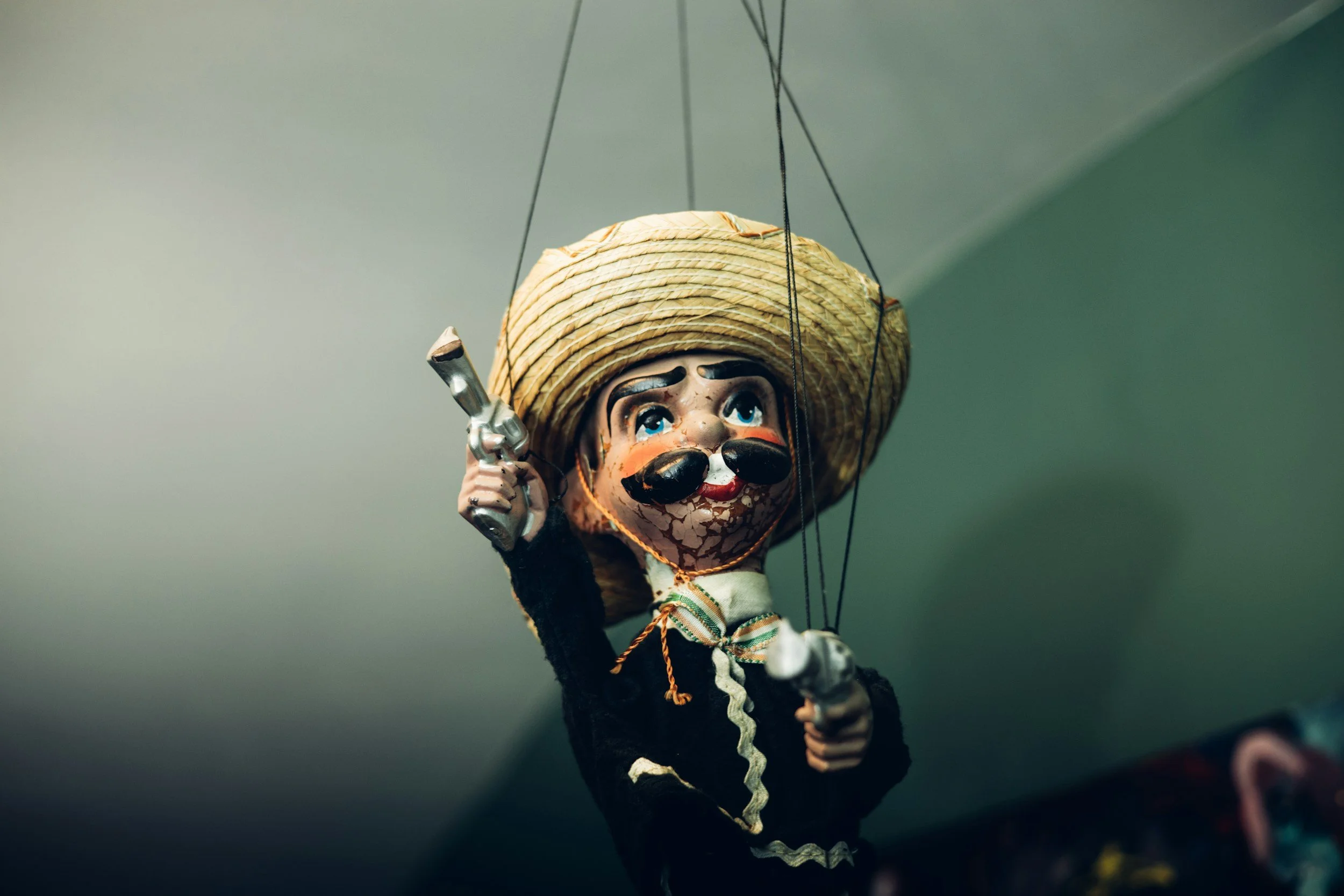
On being a bad immigrant
Every country runs on rules nobody thought to explain to you. Some are a pleasure to adopt — wishing the next table buen provecho on your way out never gets old. Some come with a backstory that wins you over, like the blood test several states still want before they will let you marry.
Some involve a museum guard, a purse that will not quite zip, and a pair of headphones that apparently pose a grave threat to the lamps. Herein, a highly selective approach to obeying them.
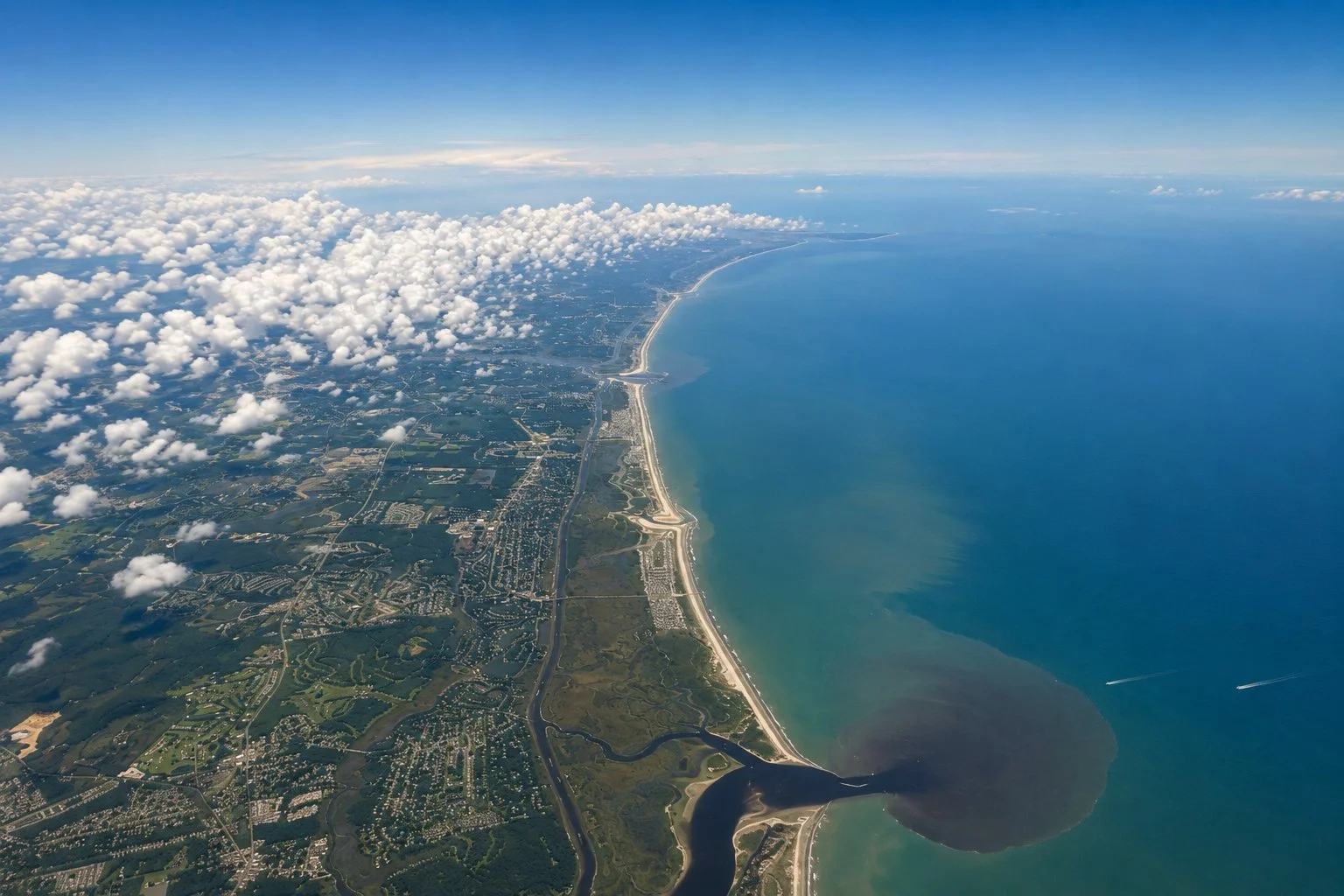
From Here: Remembering September 11 from Mexico
On the morning of September 11 Mark Arcuri was in New Mexico, calling his mother in New York, frightened for everyone he loved — and inside, in a way he had never had to notice: inside the country, inside the word we. The years after gave that word a terrible weight for the people it turned out not to cover.
25 years later, he writes now from a house in Querétaro, a residency card in his wallet and an accent that gives him away within a few sentences. He on the outside now, but how does it feel to have the roles reversed?
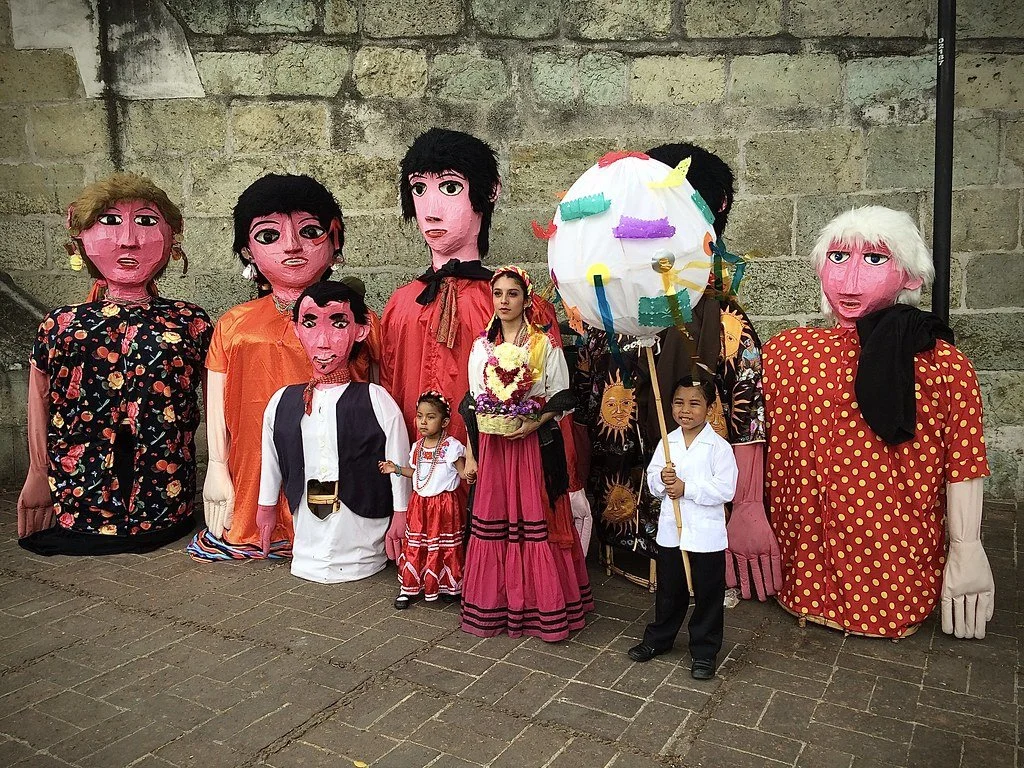
Who makes the giant people dance?
They arrive without warning — a band, then five-metre people swinging their arms down the street, and nobody in Oaxaca looking up.
These gentle giants are built by hand from reed and paste, a month's work for a figure that will spend its life being bounced through a procession and nearly knocking somebody over. Somebody bends the carrizo. Somebody paints the face. Somebody teaches a child to do both. On the difference between a tradition kept behind glass and one still light enough for a new generation to climb inside.
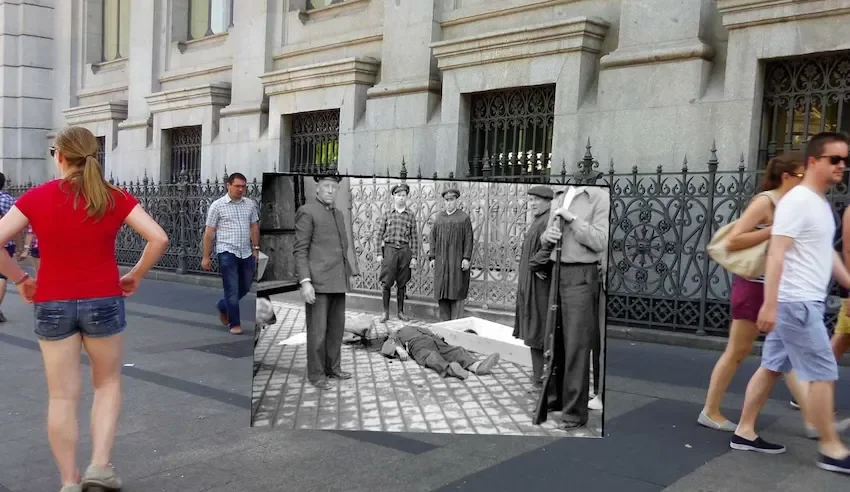
The Noble Savage
The colonizers had a word for it: el buen salvaje, the native who learned the manners of the men who came.
On Calle de Serrano an old man with a rosary at his throat tells Martín Ramos he ought to be grateful — saved, as he puts it, from cannibalism. In a bar, a woman mistakes him for the help. Newly divorced, ten thousand kilometres from a Mexico City that has begun to feel invented, he takes a flat in Lavapiés that catches no sun but what the neighbour's window gives back, and waits there for the small stillnesses to return.

I knocked my cappuccino onto my computer and started googling one-way flights out of Mexico
Some countries you cannot simply live in; you have to ride them.
A hotel terrace, a small disaster, a courtesy that arrives beautifully and helps not at all — and then an afternoon of bougainvillea and pink stone that makes the whole thing forgivable, until it doesn't. Everything is fine. Everything is emphatically not fine. Both, all day, on a rolling basis.
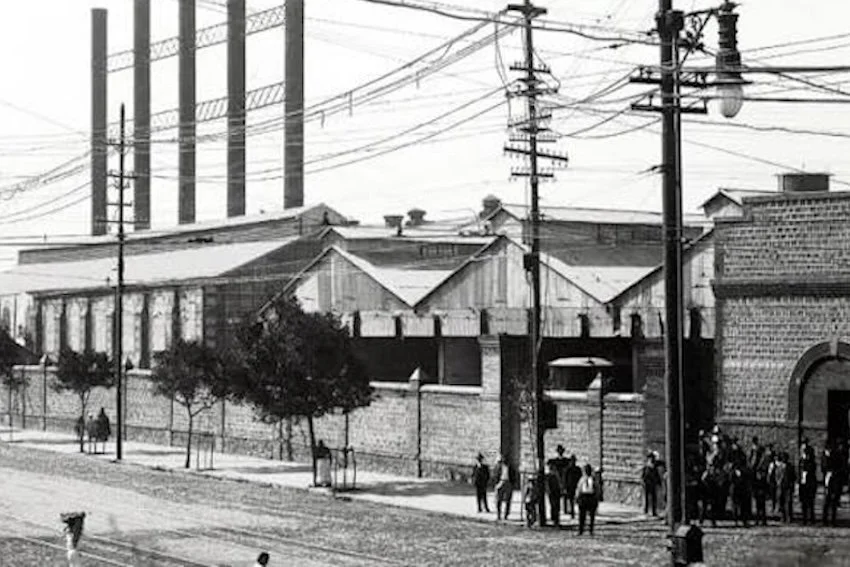
The many lives of Estación Indianilla
For a century the enormous hall in Colonia Doctores built and repaired the streetcars that moved the capital, until Luis Buñuel turned up in 1953 to make a film about one, until the trams disappeared and the rooms filled with government paperwork instead.
Charlotte Smith explores the history of a building that found new work without pretending to be something it wasn't.