
Mexican kids are going outside, and you can thank TikTok for it
Charlotte Smith is a storyteller and unapologetic observer of life in Mexico, who writes about the country as she experiences it - with curiosity, a healthy dose of skepticism, and genuine affection. From people and places to the strange, funny, and sometimes complicated moments of everyday life, Charlotte believes there’s a story almost everywhere if you stop long enough to notice it.
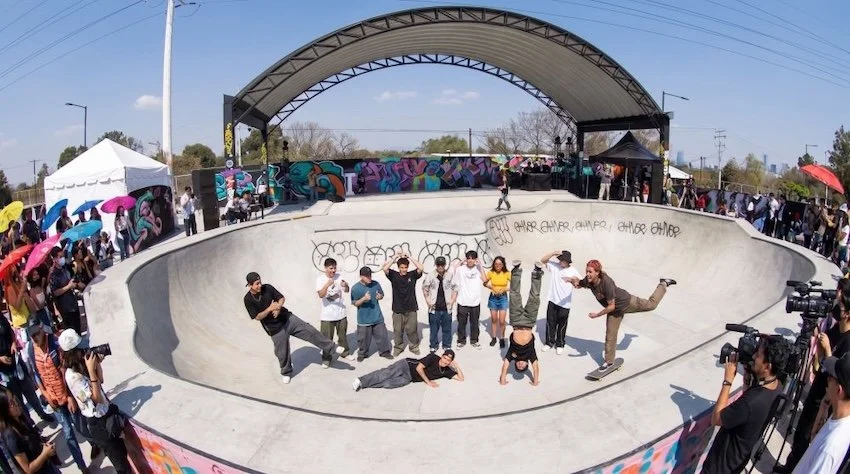
Every generation has its moment when the one that came before looks at it and thinks, “What the hell are they doing?”
I’m sure our parents watched us spend hours listening to music they couldn’t stand, wearing clothes they thought looked ridiculous, obsessing over celebrities they’d never heard of, gathering in places they couldn’t understand the appeal of, and wondering where they’d gone wrong. Now it’s our turn. Only today’s teenagers have given us an entirely new vocabulary with which to confuse us. One of the latest is “aura farming.”
It sounds faintly absurd, which is probably the reason I first noticed it. But behind the silly-sounding phrase is something considerably more interesting than just another internet trend. Across Mexico, young people are finding their communities online and then doing something we keep telling them they don’t do anymore.
They’re taking those connections into the real world.
Aura battles have been appearing in public spaces across the country. What started as an internet trend is turning into something decidedly old-fashioned. Young people are meeting up somewhere, hanging out, and having fun together.
So, what exactly is “aura farming?” The simplest explanation is that it means deliberately doing something that gives you “aura.” You know, that intangible quality of looking cool, confident, interesting, stylish, or impressive.
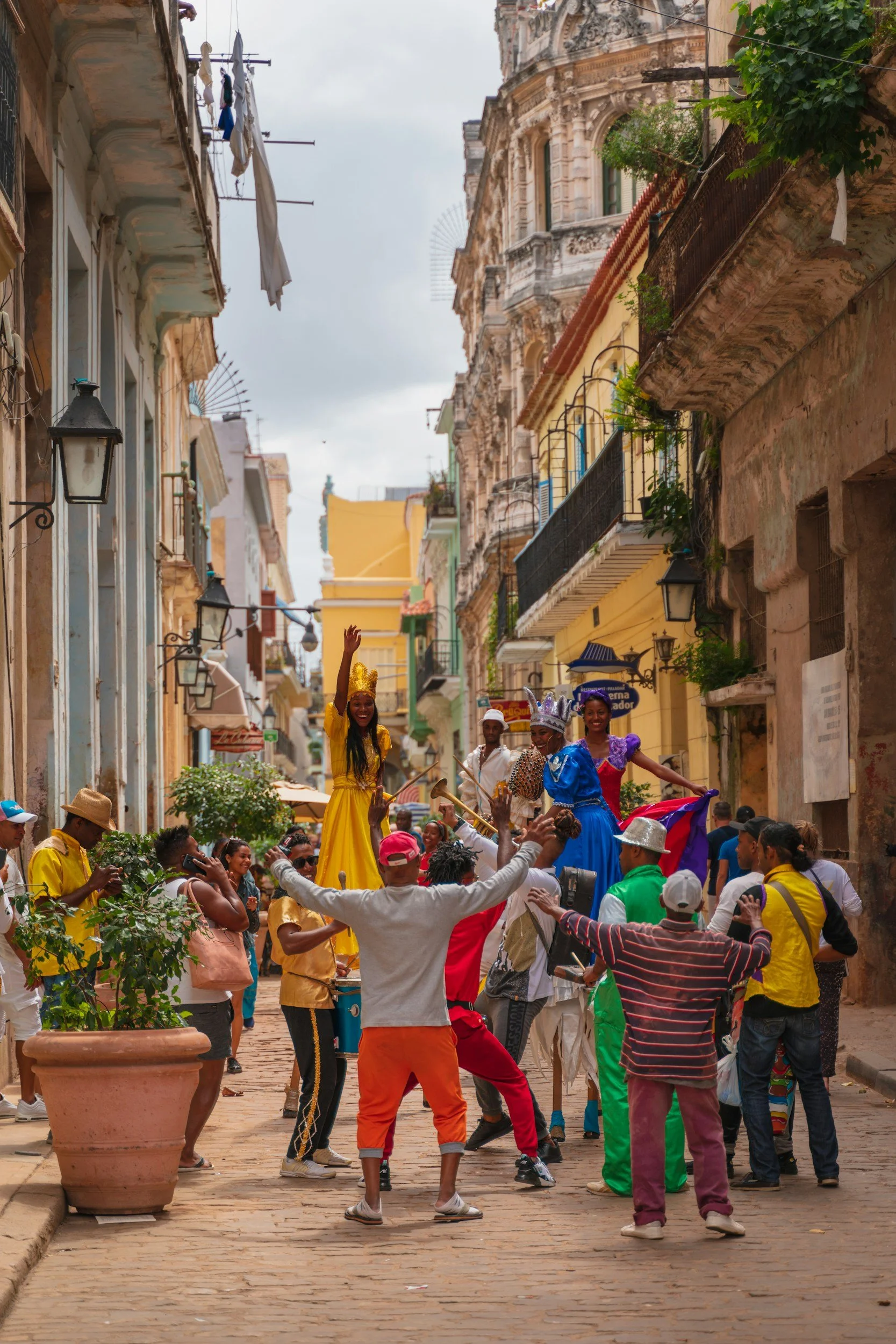
The “farming” part comes from gaming, where players repeatedly do something to accumulate resources, experience, or points. So, young people are essentially “farming” imaginary social points for being cool.
In an aura battle, that can involve a pose, a dance, a gesture, a facial expression, a physical skill, or some reference to internet culture that the audience understands. The crowd reacts, and someone is judged to have more aura than the other person.
It’s silly, but it’s also completely understandable. Because teenagers trying to look cool is hardly a new phenomenon. We did it. We just didn’t call it “aura farming.”
We had our clothes, our music, our hairstyles, our cars, our sports, our parties, and the places where we gathered. We knew which jeans were cool, which bands mattered, and which places were worth being seen in. We spent hours trying to impress one another. The difference is that our social lives didn’t come with an algorithm and the possibility of an audience of millions.
I think my generation (X, if you’re wondering) sometimes gets a little unfair with the one coming after us. We look at young people spending time online and say they need to get outside. Go meet people. Have a conversation. Enjoy the fresh air. Get off your phone.
And then, when they use the internet to find people who share their interests and organize an event where they can actually meet those people, we laugh at what they’re doing. What kind of message does that send?
The world they’re growing up in isn’t the world we grew up in. Entertainment costs more. Eating out costs more. Transportation costs more. Even finding somewhere to spend an afternoon can require money that a teenager simply doesn’t have.
The internet, on the other hand, is already in their pocket. It’s where they find music, gaming, information, entertainment and, increasingly, people who like the same things they do.
That’s the bit I think gets lost in the endless conversation about how terrible social media is for young people. Sometimes it is terrible. We absolutely shouldn’t pretend otherwise. We’ve all seen the prank videos that go from stupid to dangerous. We’ve seen young people take increasingly ridiculous risks because attention and likes can become their own reward.
There’s bullying. There’s pressure to look a certain way. There’s the constant comparison with other people’s carefully edited lives. There are very real reasons to worry about what happens online.
But that doesn’t mean everything happening online is bad. And it certainly doesn’t mean every young person using the internet is somehow wasting their life. Sometimes they’re just looking for their people. And sometimes, remarkably, the internet is what gets them out of the house.
That’s what I find fascinating about “aura farming.” A trend that could quite easily have remained nothing more than another collection of videos on a screen is becoming a reason for young people to gather in public spaces.
In Morelia, there have been aura battles in the historic center. Querétaro has hosted its own event. Veracruz has joined in. Mexico City has seen young people gathering around the trend. In Puerto Vallarta, the phenomenon has moved from an independently organized gathering in El Pitillal to a municipal Aura Fest.

Different cities. Different organizers. Same basic idea. Get together.
There’s something particularly lovely, and particularly apt, about that happening in Mexico. Because the places where these kids are gathering are in city plazas.
Mexico has been building social spaces like these for generations. The plaza has always been somewhere you go to be around other people. You go there to meet friends, listen to music, watch what’s happening, flirt a little, gossip a lot, let the kids run around, sit and talk, eat something and, yes, be seen.
Long before anyone had a smartphone, generations of young Mexicans were heading to the plaza because that was where everyone else was. You went because your friends were there. You went because you might bump into someone you wanted to see. You went because something was happening. And sometimes you went simply because there was nowhere else you needed to be.
The technology’s changed, but the reason hasn’t. These kids have essentially found their way to the same damn plaza via TikTok, and I love that.
For all the talk about technology changing the way young people socialize, there’s something almost wonderfully traditional about what’s happening here. The internet may be the thing that tells them where to go, but once they get there, they’re doing something humans have been doing in Mexican plazas for generations.
They’re gathering. They’re watching each other. They’re laughing and showing off and making friends, and figuring out who they are in relation to everyone else. They’re doing it because they’re teenagers in 2026, and apparently everything must be documented.
I don’t necessarily think aura farming is a clever or novel idea. It doesn’t completely make sense to me why someone would want to stand in a plaza and compete over who has the most “aura.” But I don’t have to. If a teenager is using the internet to find a community, and that community gives them a reason to go somewhere and meet actual human beings, I’m struggling to see the problem. In fact, I’m struggling to understand why we wouldn’t celebrate it.
We spend an enormous amount of time worrying that technology is killing conversation. That young people don’t know how to socialize anymore. That everyone is buried in a screen. Yet here are young people using those screens to find one another and then meeting face-to-face. In person.
Perhaps that’s the part we should be paying attention to. We don’t have to like the thing that brings people together. We just need to recognize that being brought together is the important part.
We don’t have to understand why somebody wants to spend an afternoon aura farming. We don’t have to understand why anyone wants to be an influencer. We don’t even have to pretend that every trend is meaningful or remotely interesting.
But if a silly internet trend gets a teenager out of their bedroom and into a plaza full of people with whom they share an interest, where’s the harm?
If it gives a lonely kid a community, where’s the harm?
If it gives a shy kid a reason to talk to somebody, where’s the harm?
If it turns an online interest into a real-world friendship, why are we so determined to see the phone as the problem?
Maybe the internet isn’t always the destination. Sometimes it’s simply the invitation. There’s a delicious irony in a generation accused of living entirely online, using the internet to organize itself into going outside.
We spent years telling them to get outside, and it turns out they may have just needed a reason. Maybe the fact that they found one should be enough.