
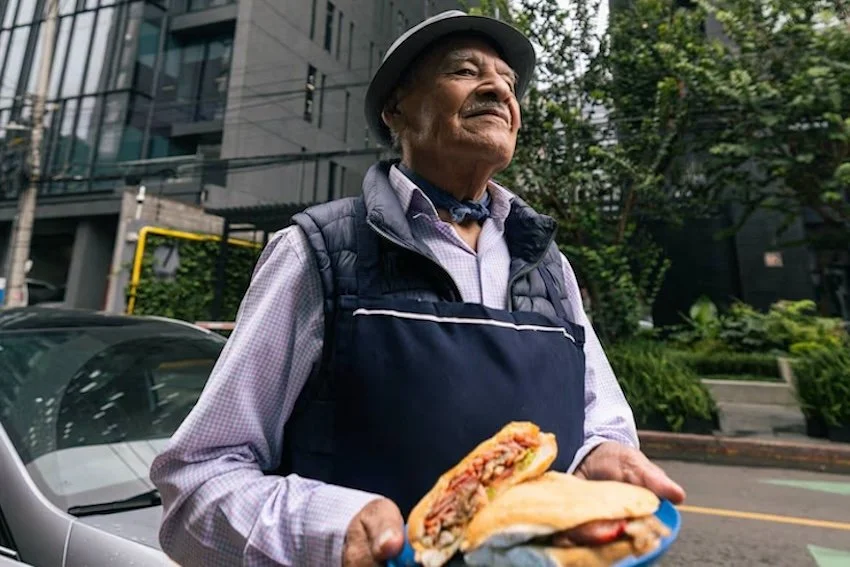
In the news: Tortas yes, displacement no
Don Pepe arrived in Mexico City in 1959, aged just 19, having grown up near the Nevado de Toluca. He settled in the Granada area and began making tortas on the very day he arrived. After 27 years working with relatives in the business, where they could produce more than 2,000 tortas a day, he eventually decided to set up on his own. By the late 1980s, he’d rented a space and started building a business with his family.
It wasn’t always easy. He recalled the debts he accumulated in those early years and the guilt he felt when some of his children left school to help keep the business going. But it was something they’d built together, and over time, it became part of the neighbourhood itself.
Granada, though, was changing. Around 2000, local authorities relocated the business to a new position, and what followed was years of uncertainty over its location and paperwork. Further construction, disputes over the space, the seizure of the family’s stand, and the pandemic all took their toll.
In 2024, the family was given permission to return to the area, although not to its original location. They set up again near Parque Lineal Ferrocarril de Cuernavaca.
Four days later, the stand was stolen.
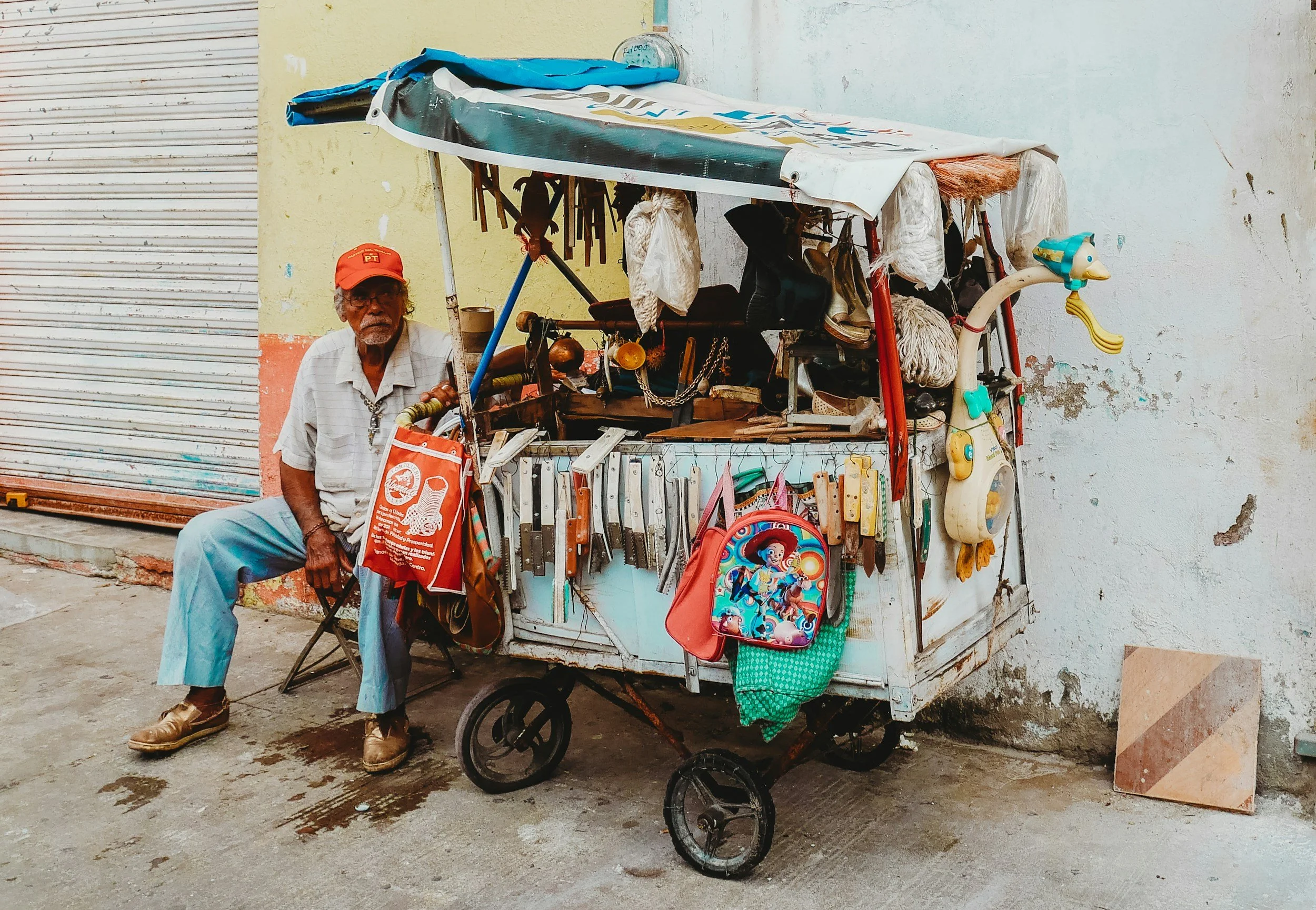
There’s always someone who knows someone who knows someone
There are a few things you learn fairly quickly when you move to Mexico.
How to recognise the sound of the gas truck from three streets away, which tunes floating through the air are signals of the ice cream man and which are for the pan man, why you should never assume that a blue sky means it won’t rain, and that if you need something, anything at all, the first question you should ask isn’t necessarily where to buy it.
It’s whether someone knows someone who knows someone who knows someone who can get it.
I’m not entirely sure when I first noticed this particular Mexican phenomenon, but having lived here for six years, I’ve come to appreciate that there’s an entire unofficial economy operating alongside the shops, businesses, and services we’re all familiar with. It runs on relationships, recommendations, WhatsApp messages, and an extraordinary network of people who seem to know absolutely everyone who can do absolutely everything.
Need a plumber? Someone knows one. Need a new washing machine? Someone knows a guy who sells them. Looking for a particular building material that you can’t find anywhere? Don’t worry. Someone has a cousin whose neighbour’s nephew's girlfriend works at a place that most definitely has it.
Need a car part for a vehicle that hasn’t been manufactured in fifteen years? Well, that’s going to take a little longer, but someone knows someone. And the really impressive thing is that they don’t just know someone. They know someone who can get it cheaper.
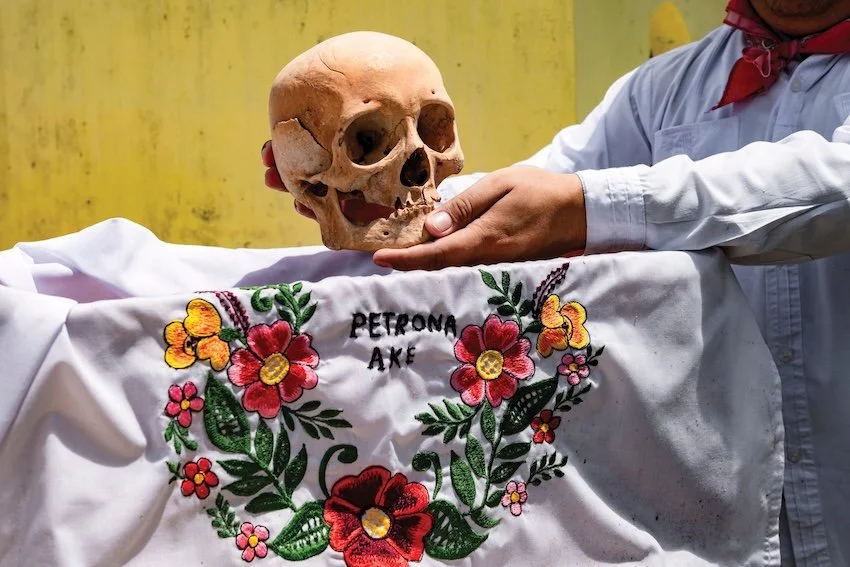
Morbid or moving? The bone cleaners of Campeche
The souls visiting Pomuch, a town of just under 10,000 residents in the state of Campeche, are a little cleaner than those in the rest of Mexico. In 2017, the government of Campeche officially proclaimed “La Limpieza de los Santos Restos: Ritual Funerario de la Comunidad Maya de Pomuch” as Intangible Cultural Heritage. If your Spanish is up to par, you might think you’re reading that wrong.
You’re not. In Pomuch, it’s both legal and a longstanding tradition to exhume the skeletons of your loved ones, clean the bones, and display them in a pretty box that stays at the cemetery year-round.
Morbid? Thoughtful? Macabre? Tender?
Maybe a little bit of everything, which is what makes the practice so memorable.