
Dr. Mark A. Arcuri is an integrative coach, author, speaker, and psychology professional based in Querétaro, México, where he works with clients worldwide. He is the author of A Life Aligned, serves as Associate Dean and Program Director of the BS in Integrative Health program at Walden University, and writes on Substack. More at drmarkarcuri.com.
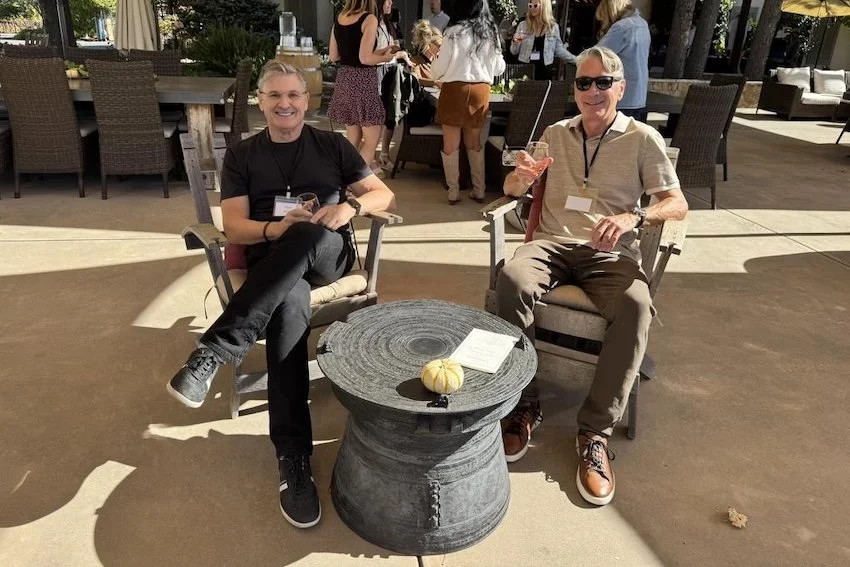
On the way to Santa Rosa airport after a few days in Napa, I realized that my laptop and iPad had stayed in the bag for the entire trip. I had packed both as usual, and for the first time I could remember, I had never taken either one out. I had checked work on my phone to see whether anything urgent needed my attention, found nothing, and left it there. By the time I noticed the unopened devices, I had already spent the days enjoying myself. Apparently, I had managed to relax without supervising the process.
Two of those days were spent at Benessere Vineyards with my longtime friend Randy. I was recognized when I returned and had personal conversations with the staff, as well as time to talk with the new owner. There was also an invitation to come back and perhaps stay on the property. I felt valued there, and grateful to be sharing the visit with someone I have known for years. When I think back on those days, the conversations are part of what made them restful, with time to enjoy the people in front of me.
With a laptop and phone, I can take much of my work wherever I go. I appreciate that freedom, and I am learning to choose when to put it aside. On this trip, I came home feeling calm and rested after giving the days my attention instead of dividing it among everything I could have been doing.
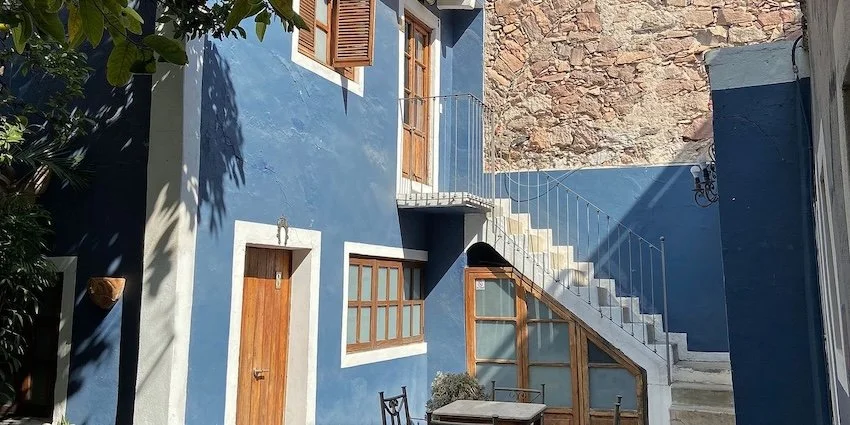
Querétaro was enjoying beautiful fall weather when I returned, and it felt good to be home. The following Saturday, I went to La Casa del Atrio for a massage and an exfoliation treatment, a birthday gift from Carlos and Victor. Ten years earlier, before Querétaro became home, I had stayed at the same place on their wedding night after performing their ceremony. It was pleasant to return under such different circumstances and to remember that earlier visit. I was enjoying a gift from the same friends whose wedding had brought me there a decade before.
That afternoon brought me back to something I had enjoyed in Napa. I had given time to an experience without finding another use for it, and people who had been part of my life for years were present in my thoughts even when they were elsewhere. I returned home thinking about how readily a memory can accompany an ordinary afternoon. Now, with Día de Muertos approaching, I find myself thinking about a different kind of remembering, one that has a particular place in the country where I live.
Día de Muertos, centered on November 1 and 2, takes different forms across México. Among the customs are ofrendas made for loved ones who have died, with photographs and candles, flowers, and foods associated with the people being remembered. I am still learning about the observances here, and I am drawn to the personal character of these offerings. Someone chooses a photograph, remembers a preference, and places something familiar where it can be seen again. An individual life is remembered through details that would mean little to a stranger and a great deal to the people who knew that person.
When I think about whom I would remember in that way, my grandmother Rosie comes readily to mind. My grandfather died when I was very young, and Rosie lived much of the rest of her life independently.
She moved first to California and then to Florida, and she never remarried, although my mother told me she had opportunities. She had a directness about her that I admired long before I understood how unusual it could be. I knew her first as my grandmother, someone who loved me without requiring me to be different from who I was.
Rosie was a baker. I remember the cakes, pies, and cookies she made, and I remember the stories she told whenever I visited. Often they were stories I had already heard, sometimes many times, but she enjoyed telling them again, and I enjoyed hearing them. I cannot tell you which story I would choose now if I had another afternoon at her table. I suspect I would be quite happy to hear whichever one she decided to tell.
Whenever I was struggling or felt that I did not fit, she had a way of looking at me and saying, “You’re all right, kid. The world’s all wrong.” It was funny, and it was reassuring, and it sounded exactly like Rosie. Over time, I learned that other members of the family knew sides of her that I had experienced differently. She could be difficult, especially in ways my mother understood better than I did. The woman I remember was a whole person, and the love I received from her remains part of how I know her.
Rosie died while I was in college. I went home and helped my parents with the funeral arrangements, then returned to the place where I was living before the wake. I was at peace with the choice. I had loved her and been loved by her, and I felt I knew where we stood with each other. Still, some time after the wake, I had an experience that I have remembered for decades.
I was asleep in my apartment when, somewhere between sleeping and waking, I heard a knock at the door. In the experience, I opened it and Rosie was there, surrounded by light. She embraced me and said, “Everything will be all right.” Then she was gone. I have spent my working life in psychology and know that there are ways to understand experiences like this; I also know how it felt to me. I have never needed to settle on one explanation in order to remember her embrace and those words.
I think about that experience differently as I learn more about Día de Muertos. In some traditions, the offerings are prepared in anticipation of the dead returning for a visit. I can appreciate the significance of that belief without claiming it as my own or assuming that my experience was the same. What interests me is the care with which a person can be welcomed into memory: remembering how they spoke, what they did with their hands, and what it was like to spend time together. Rosie has been gone for many years, yet I still have the sound of her reassurance and the memory of sitting with her while she told stories.
During those days in Napa, I had time to enjoy Randy and the people who welcomed us. At La Casa del Atrio, an afternoon set aside for rest also brought back a wedding and the friends who had shared that part of my life. As Día de Muertos approaches, I am thinking about Rosie and some of the mornings I spent with her. If I were to make an ofrenda for her, I would begin with a cake, a pie, or a plate of cookies. I would want to remember the woman who made them, and I would probably tell one of her stories again.