
Charlotte Smith is a storyteller and unapologetic observer of life in Mexico, who writes about the country as she experiences it - with curiosity, a healthy dose of skepticism, and genuine affection. From people and places to the strange, funny, and sometimes complicated moments of everyday life, Charlotte believes there’s a story almost everywhere if you stop long enough to notice it.
Omar Rosales owns Ojo de Aguila Photography and photographs for Mexico Featured.

Sometimes the experiences that stay with you longest are the ones you didn’t quite know you needed.
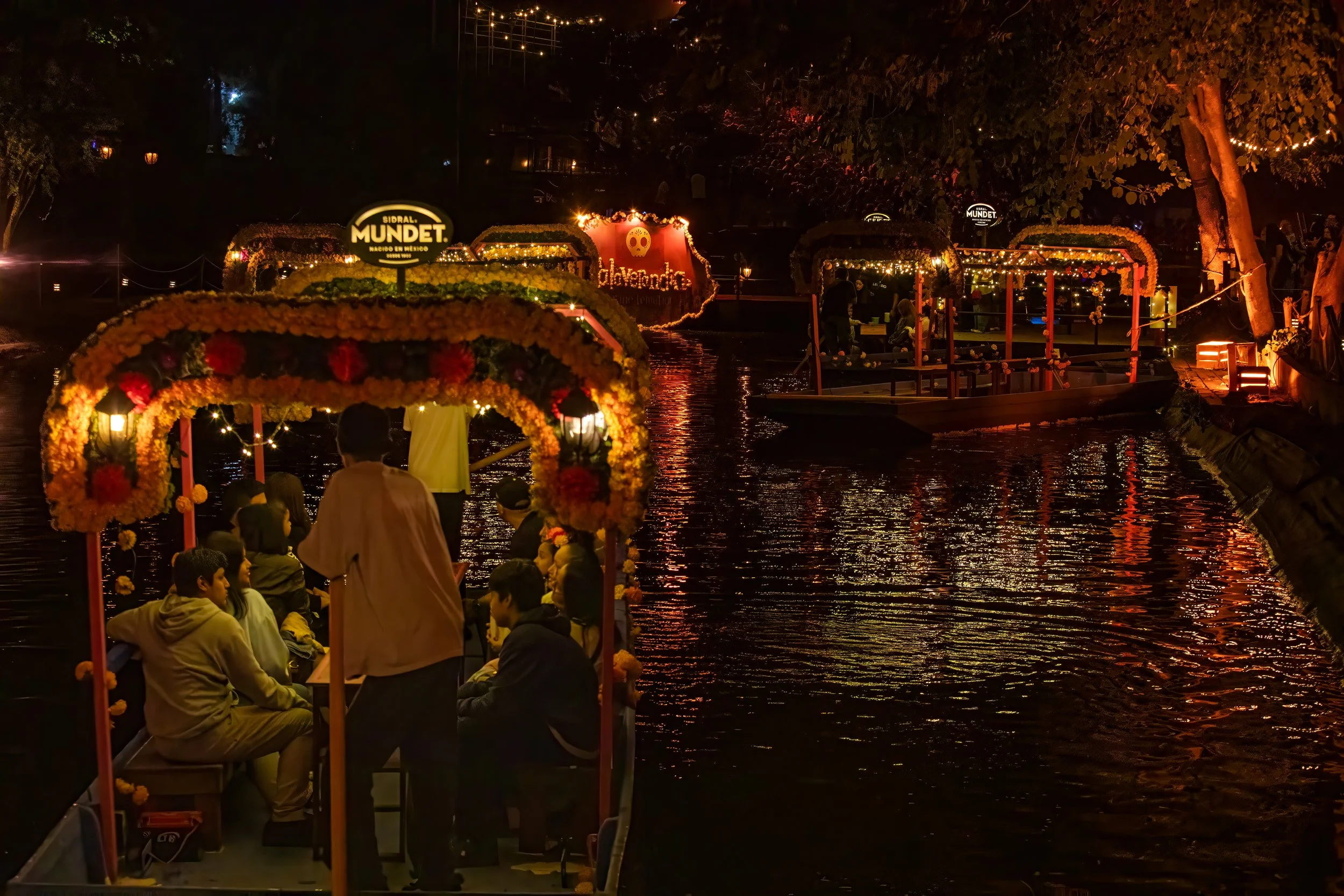
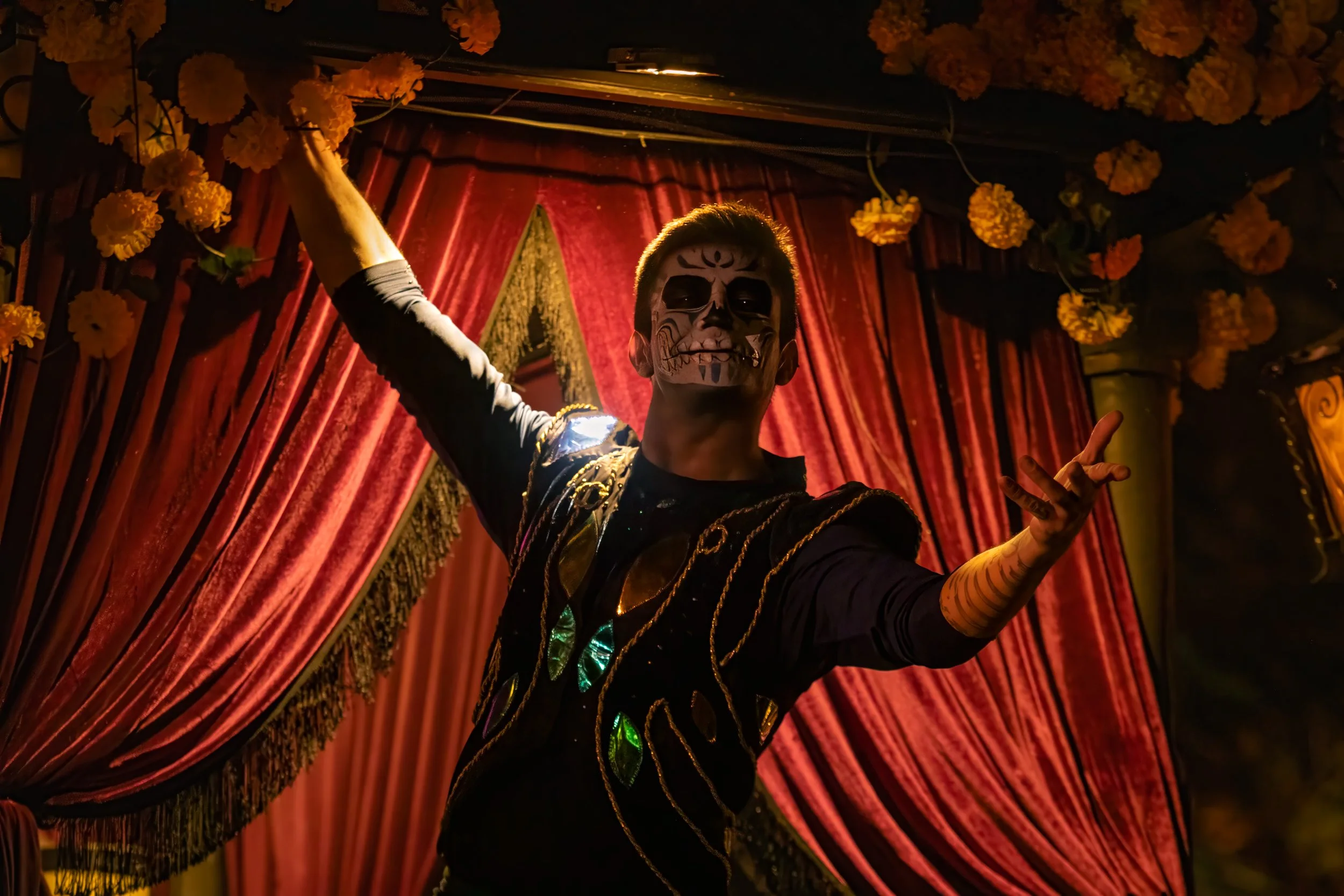
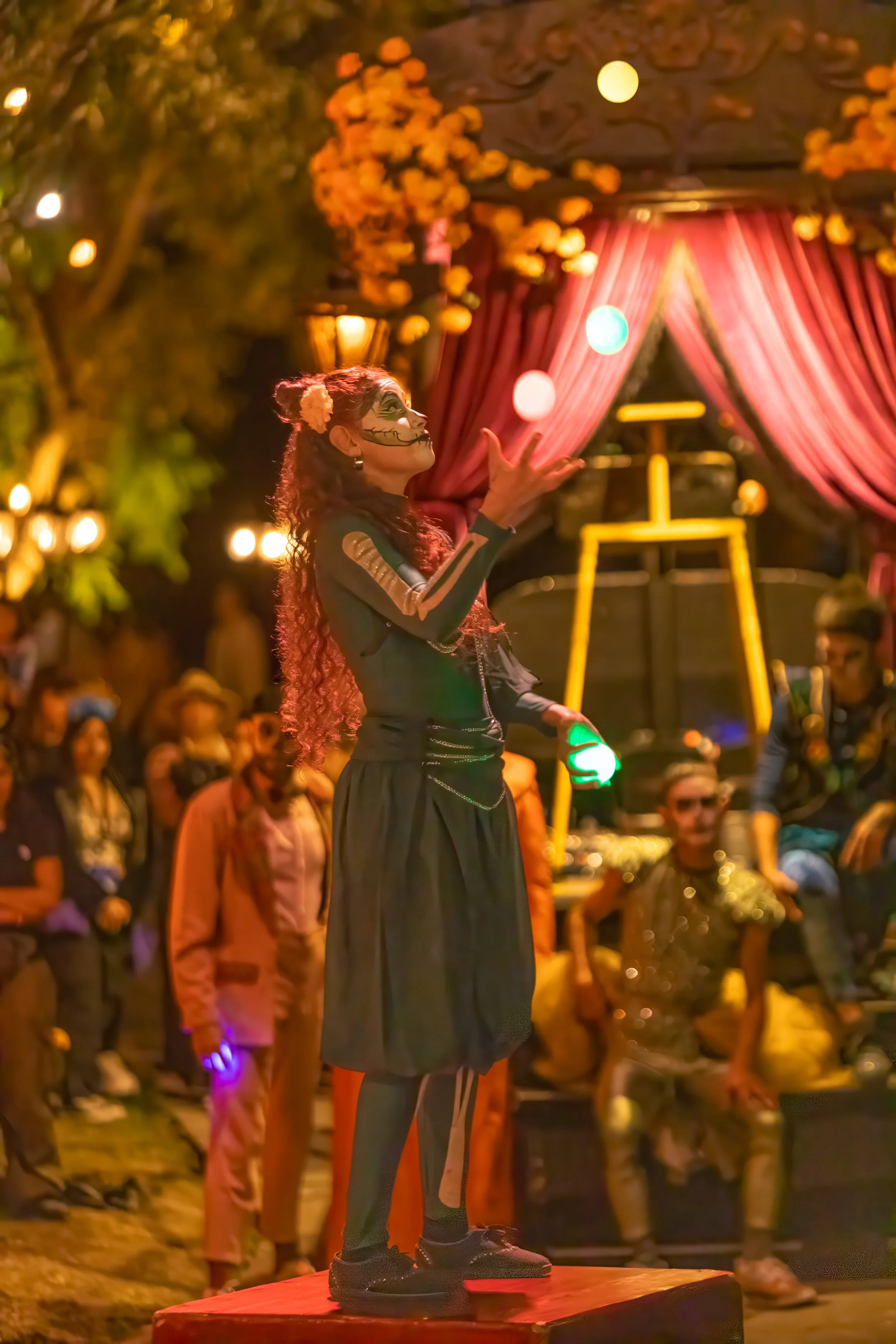
Omar and I spent last Friday night at Calaverandia in Parque Tematico, Guadalajara. We went expecting impressive displays, plenty of colour, and an entertaining evening. And all of those things were there in abundance. What I hadn’t expected, though, was to find myself quite so moved by the experience, or to come away thinking about my own family and the ways we remember the people we’ve lost.
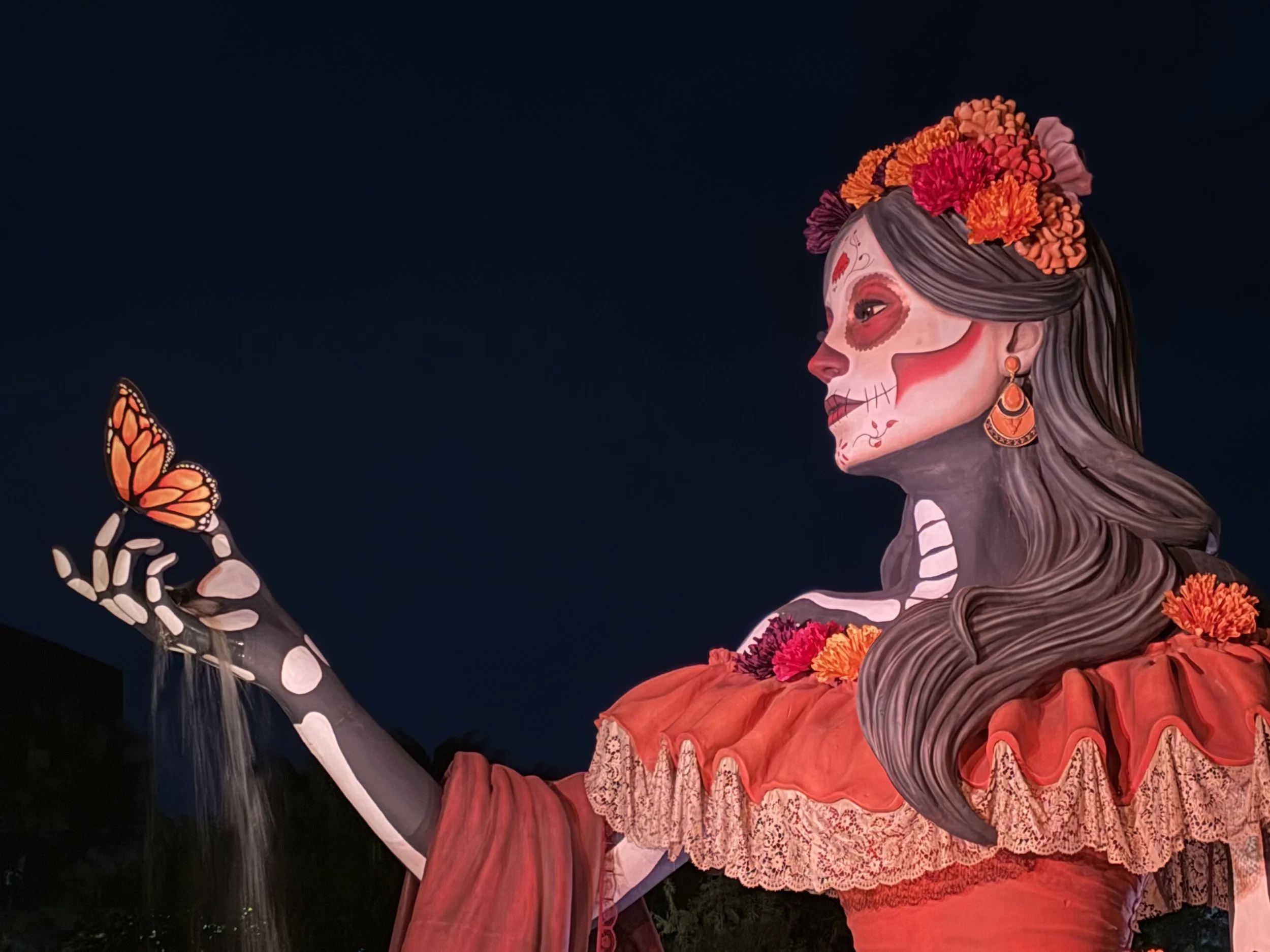
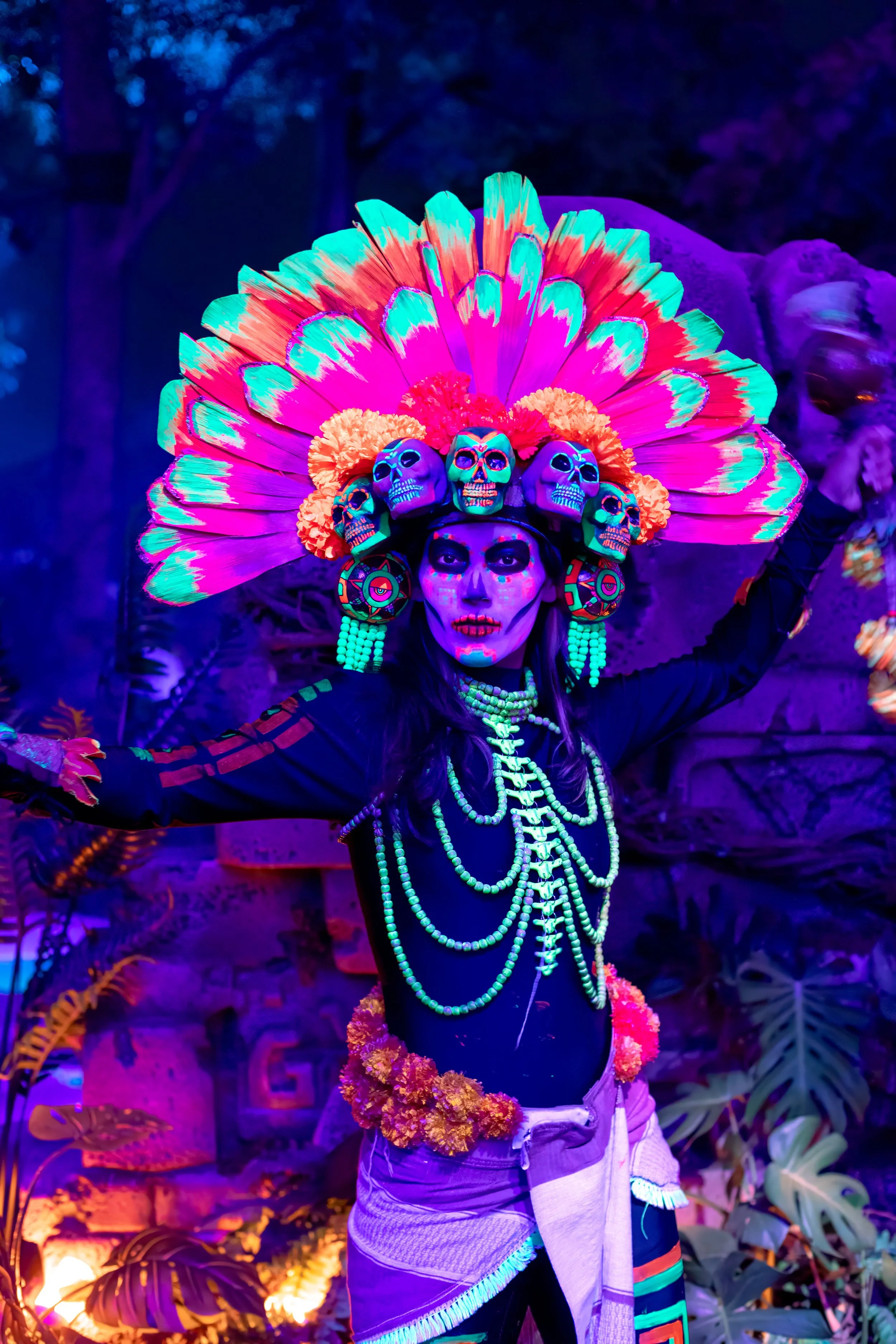
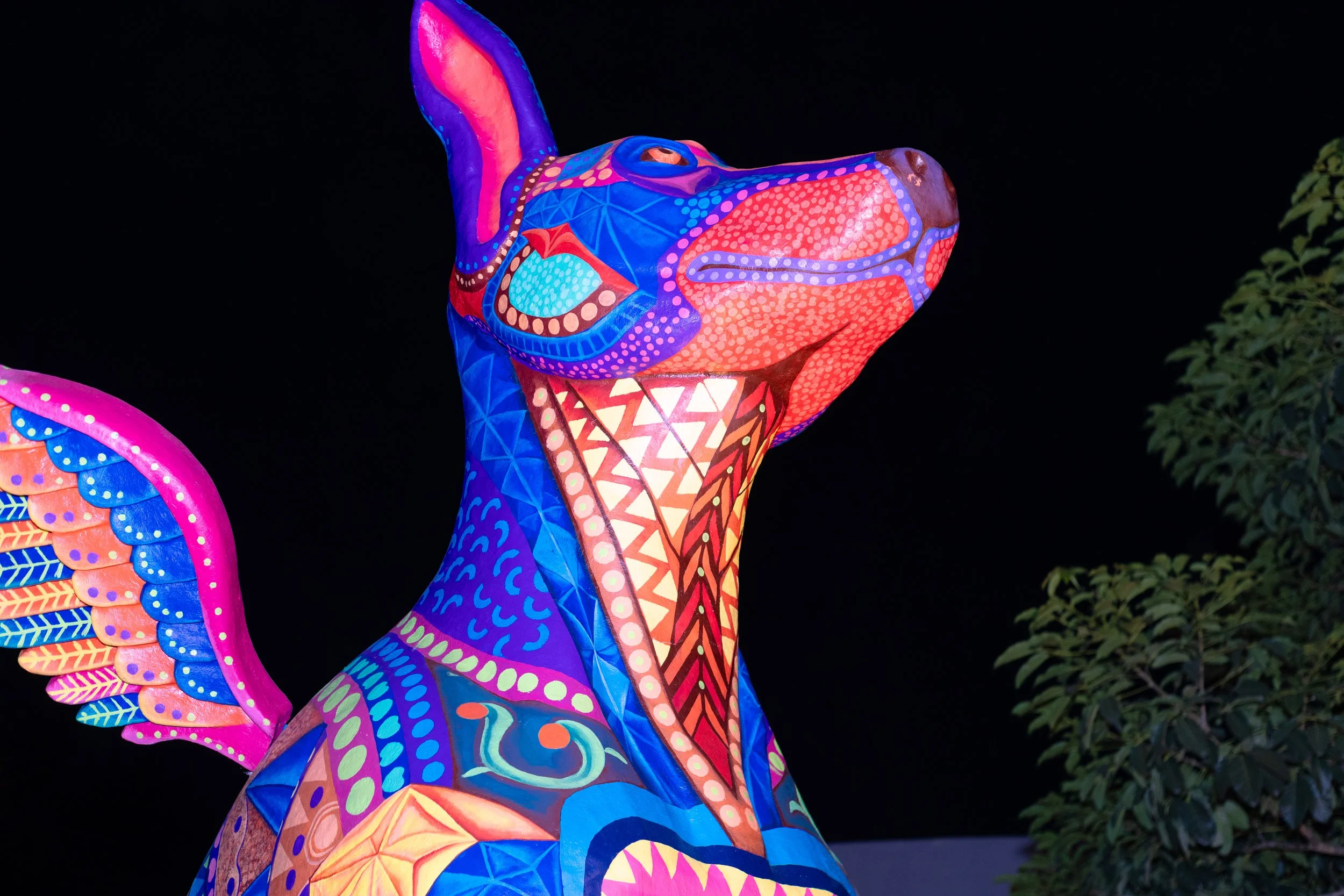
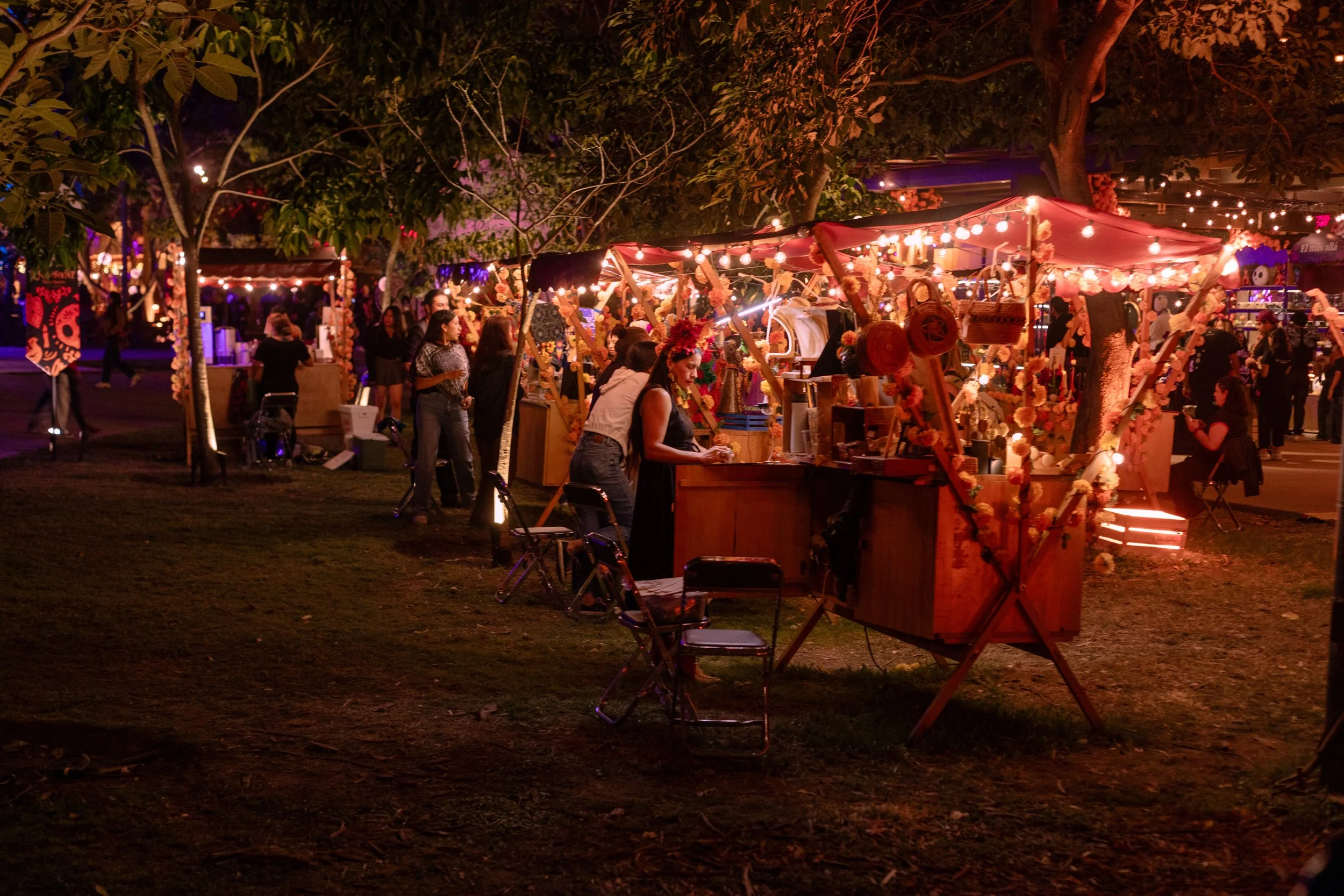
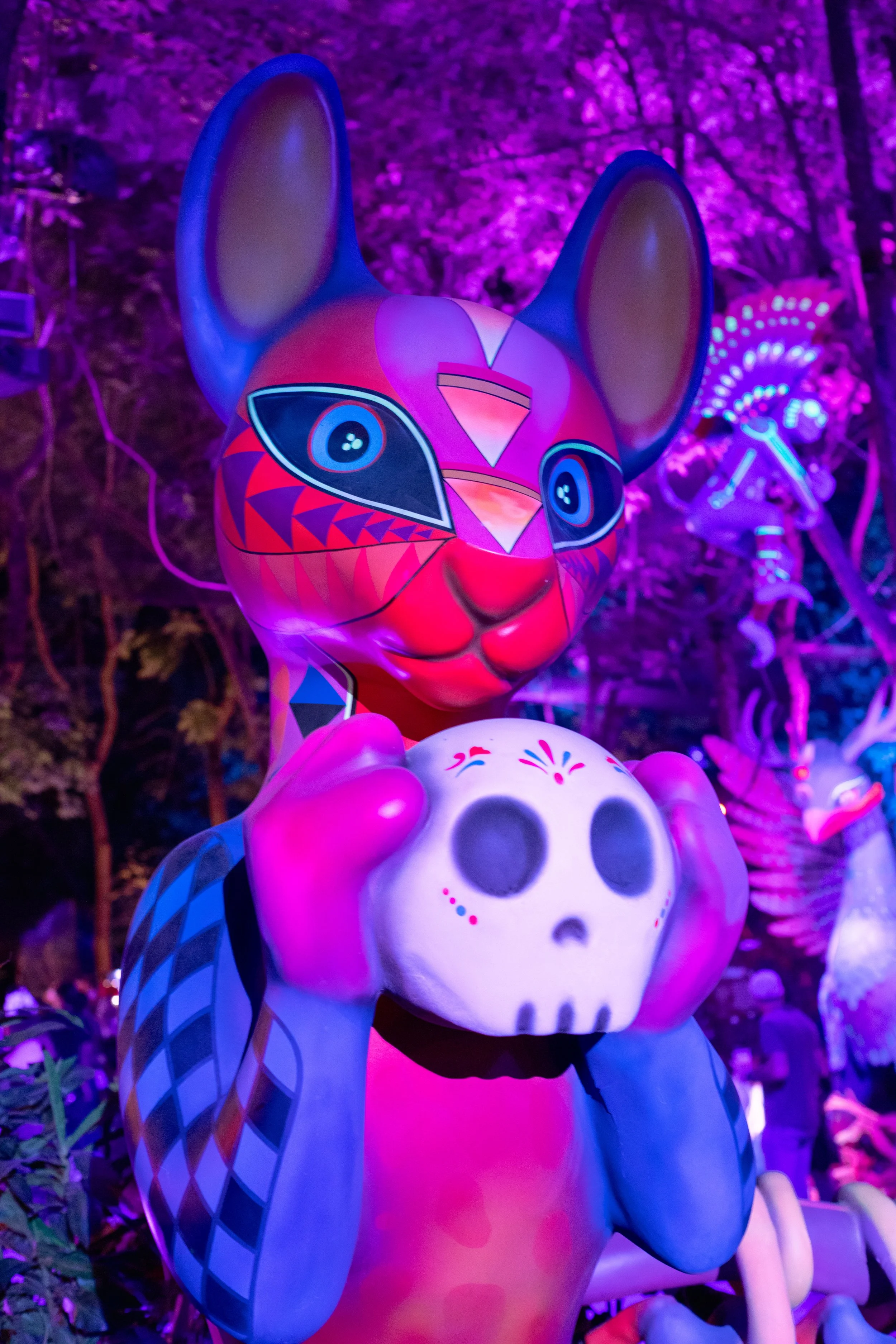
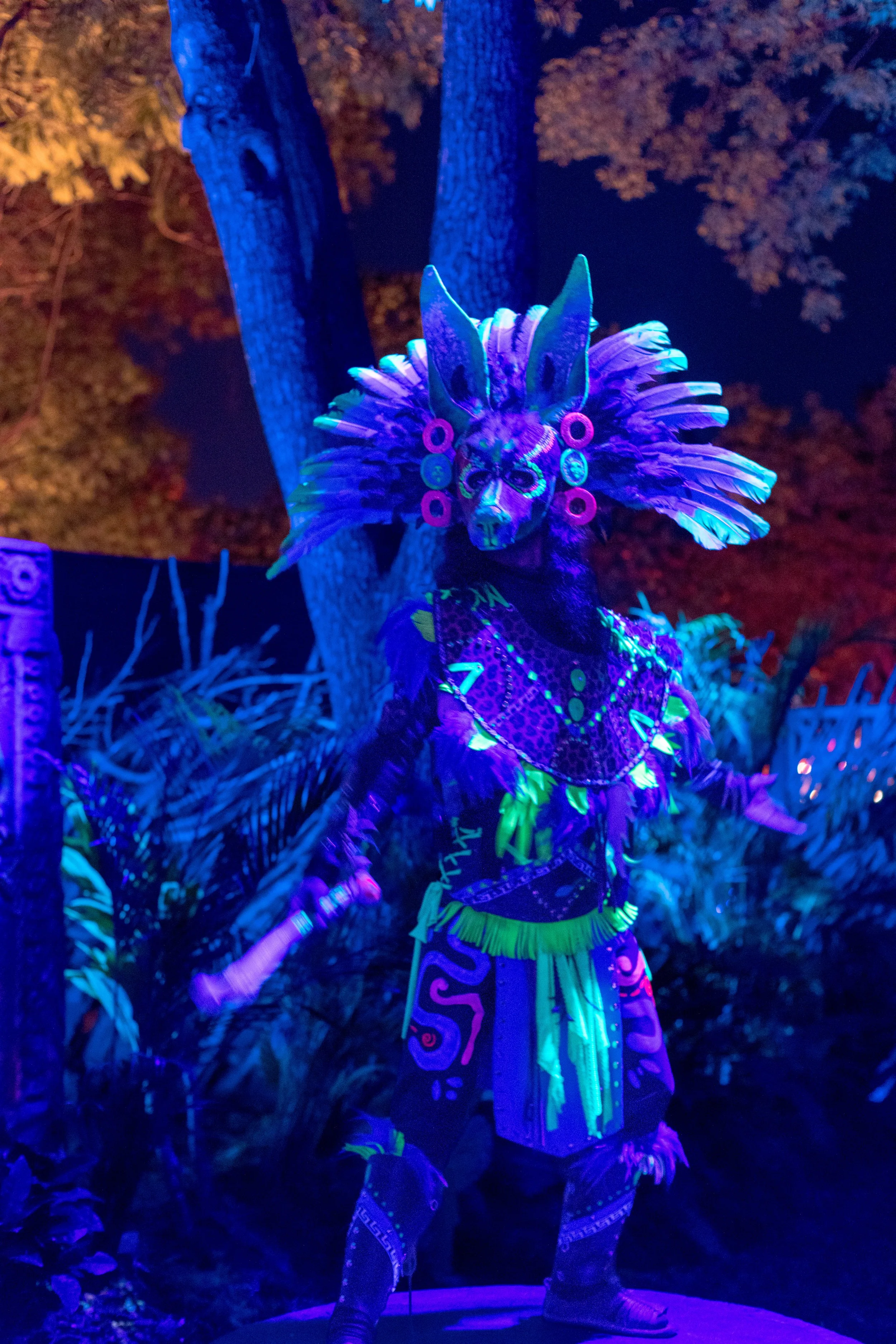
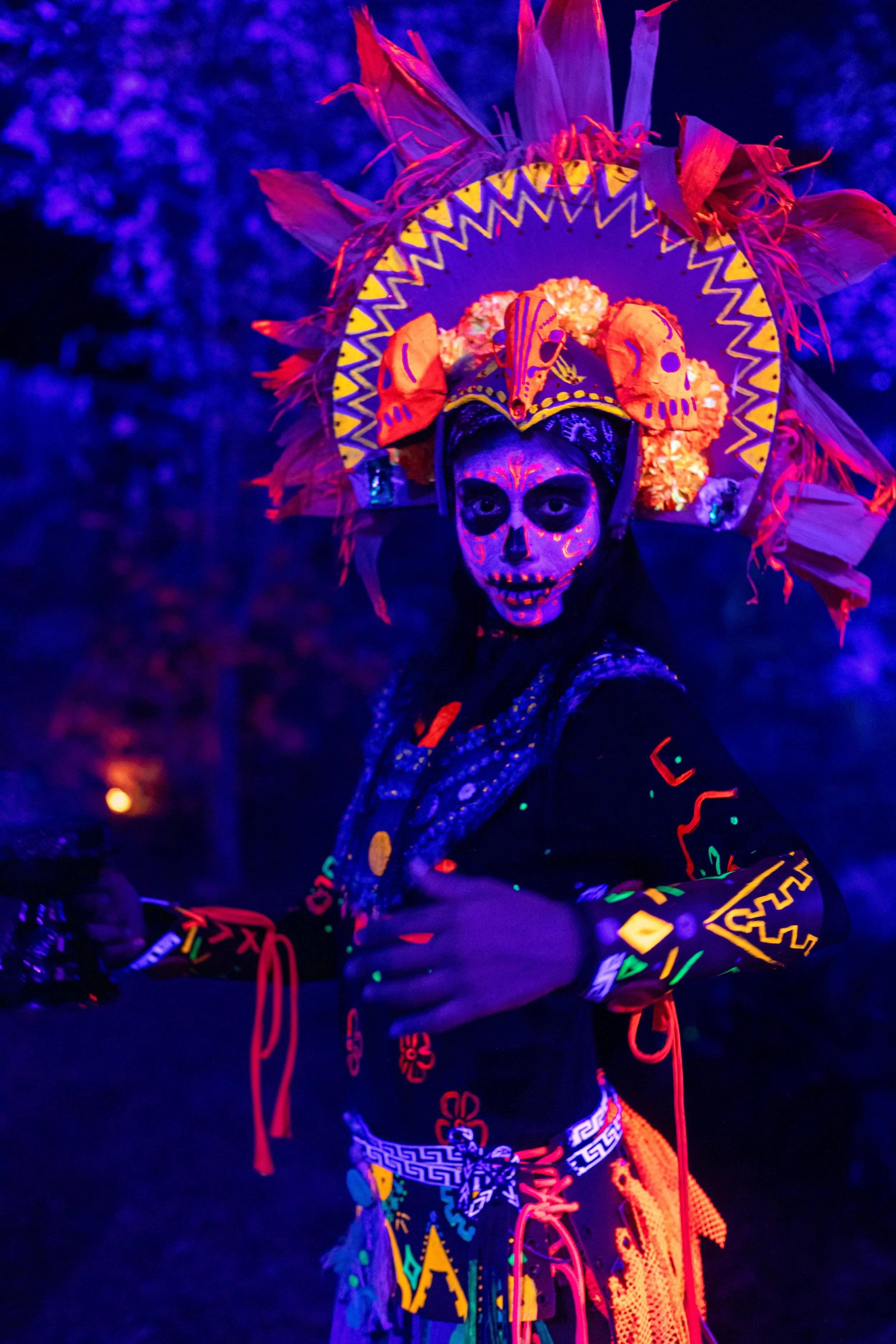
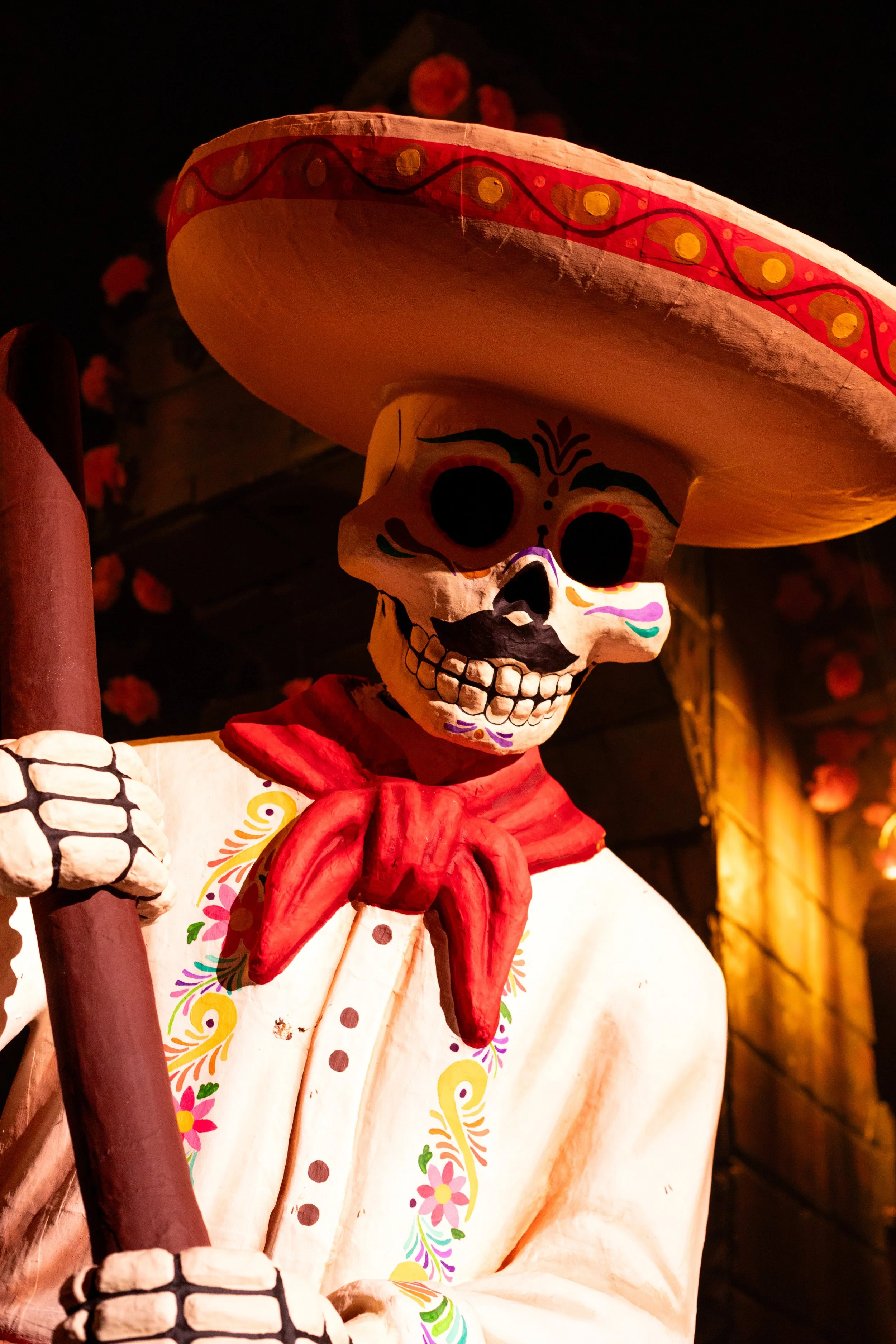
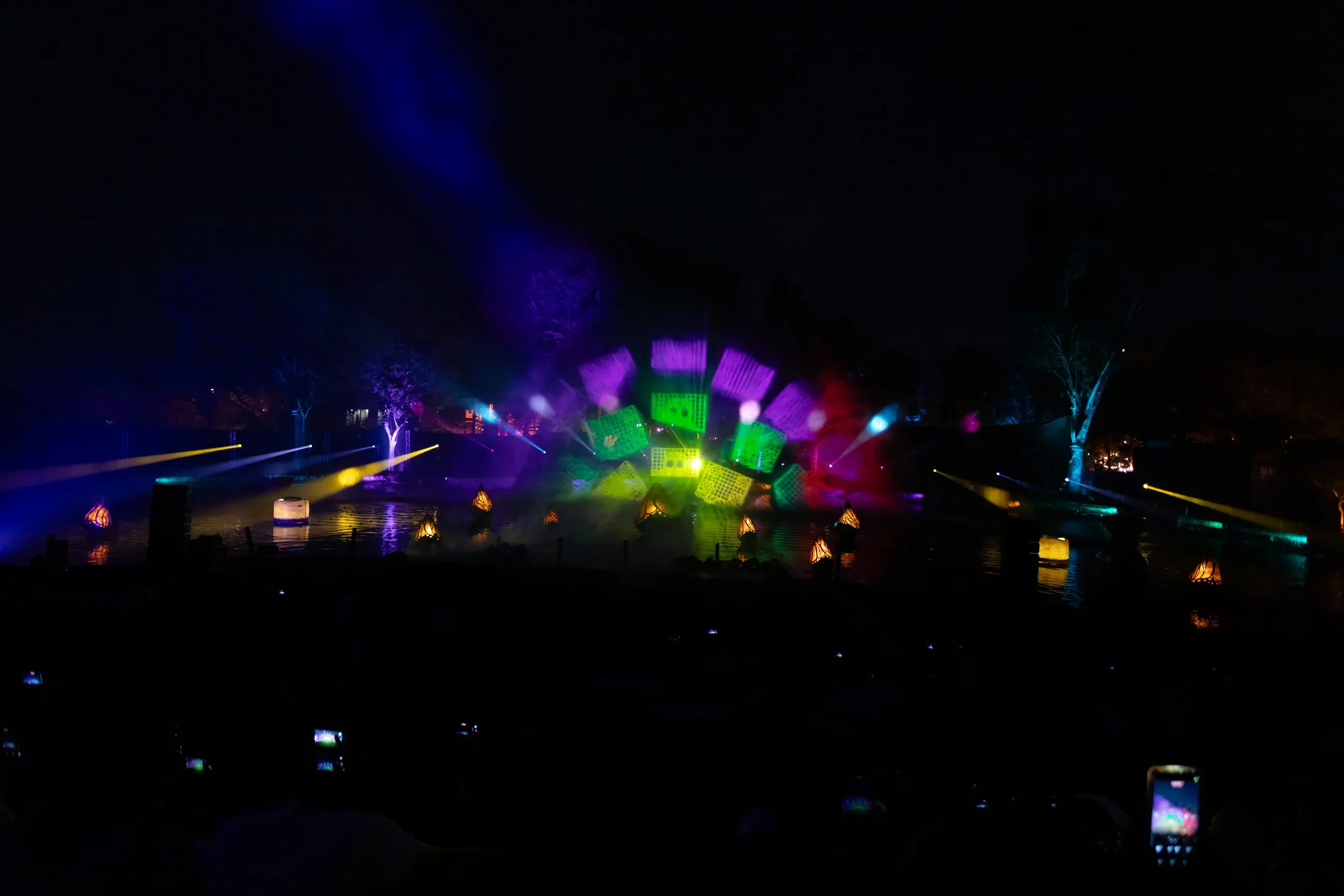
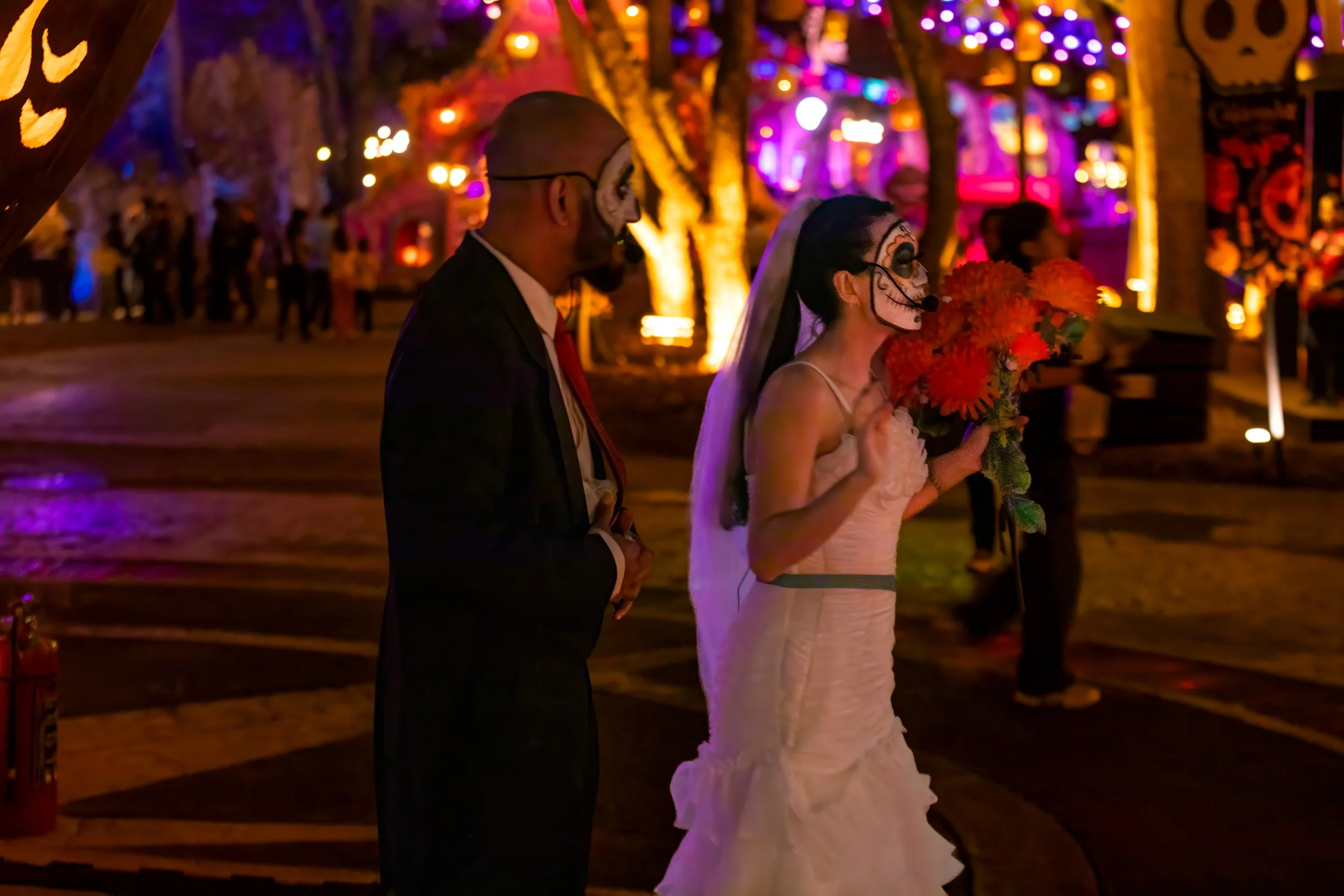
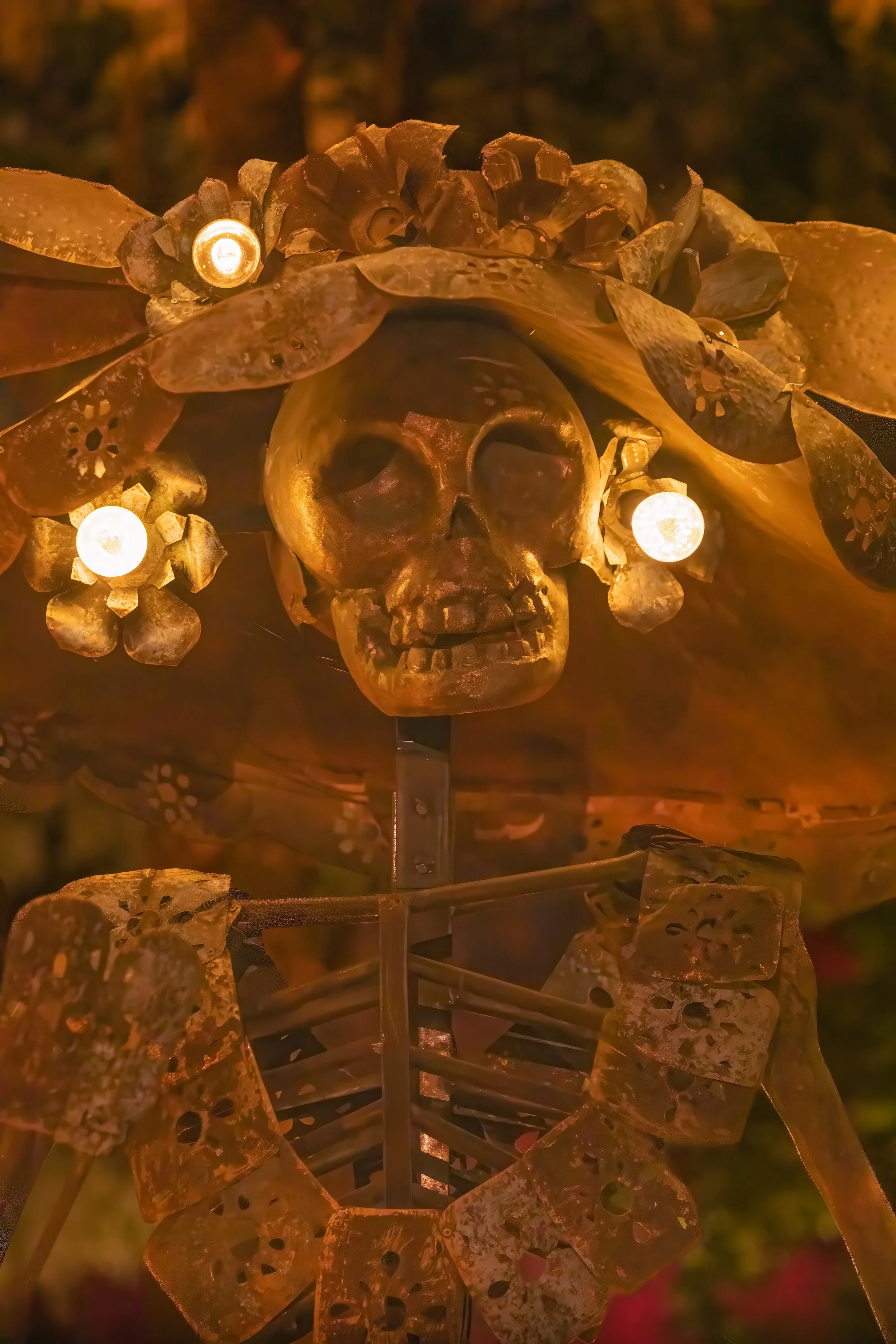
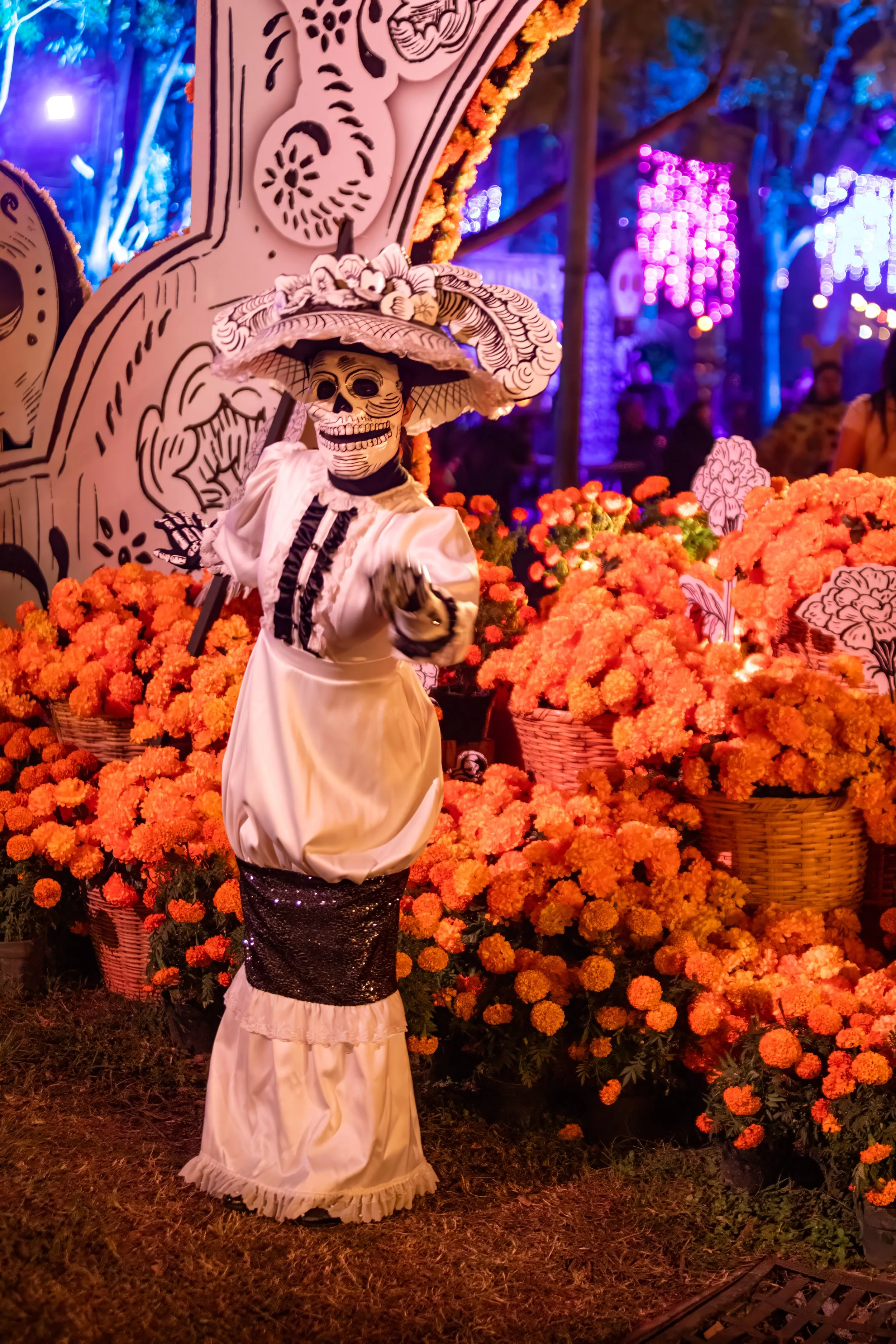
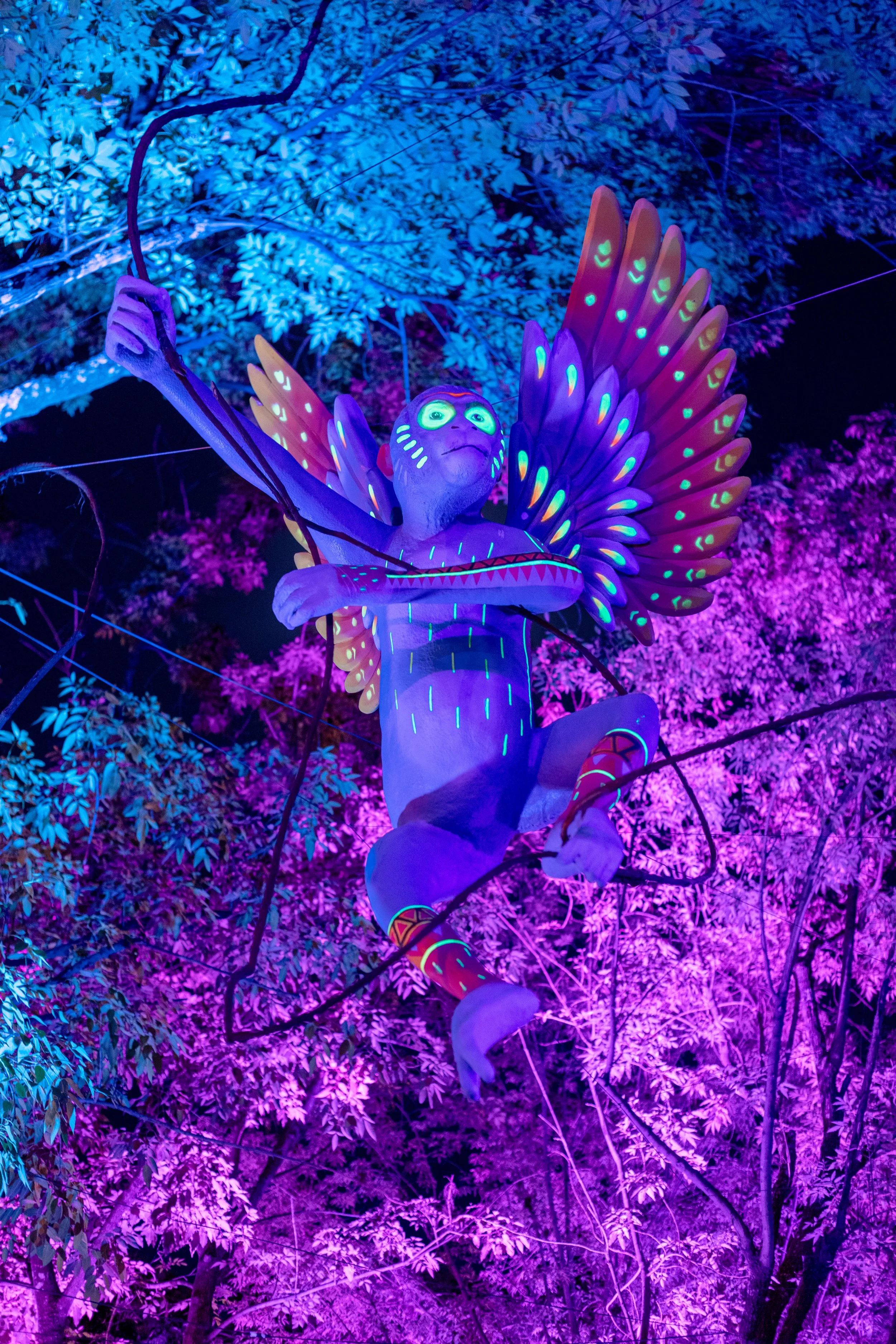
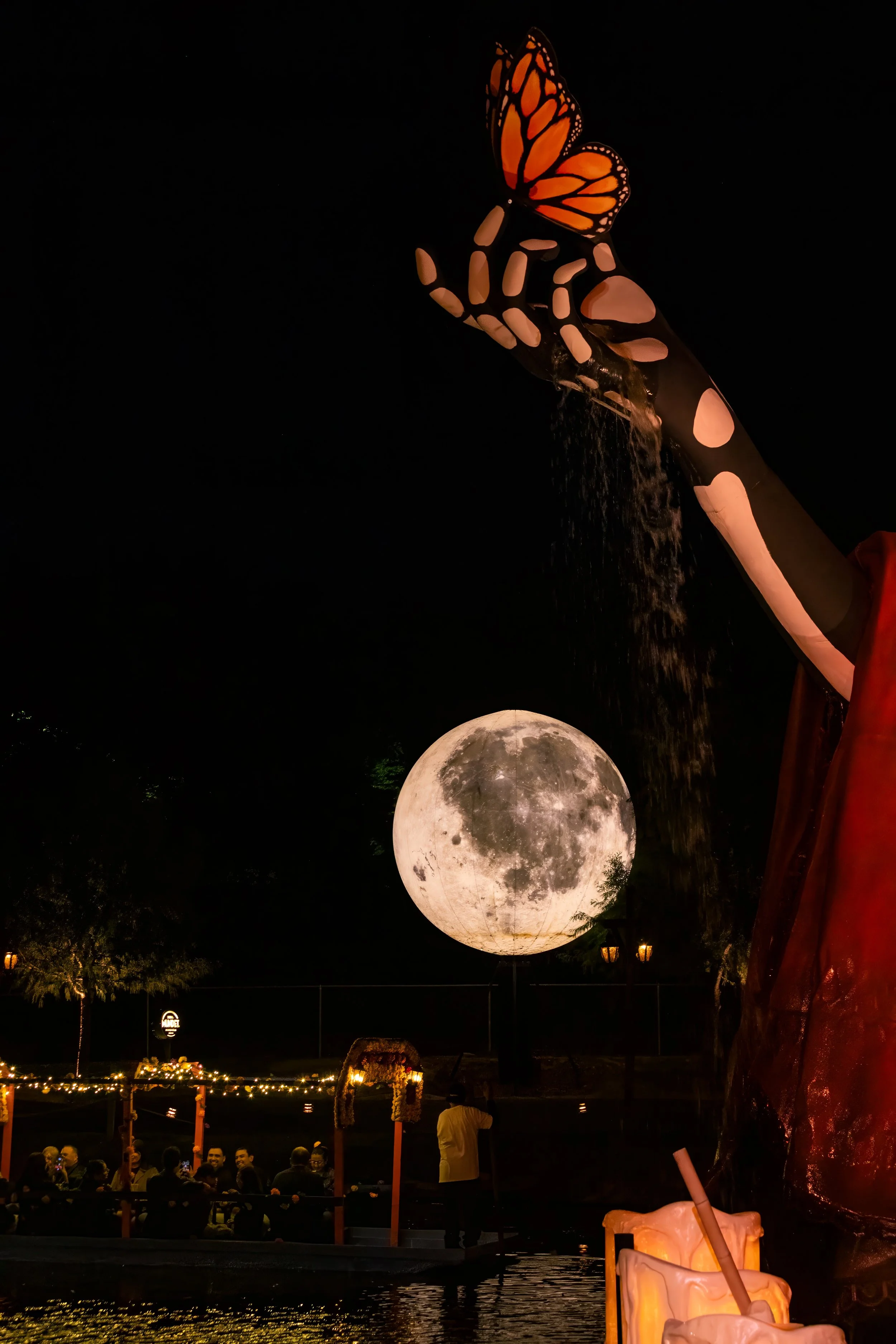
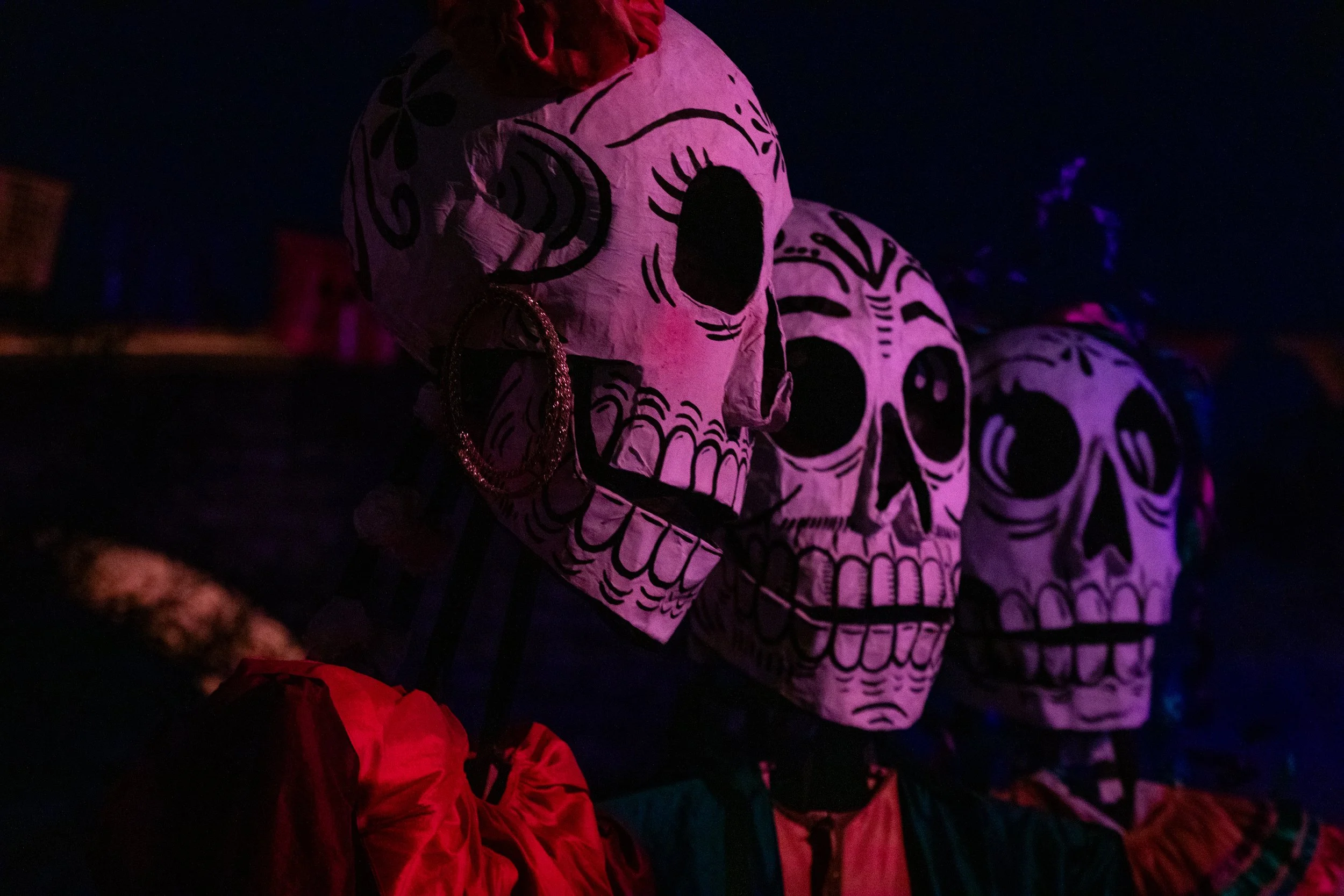
The lights were spectacular, the enormous altar was quite something, and the giant Catrina rising from the lake was a sight worth seeing in its own right. There was plenty of walking, interactive exhibits to explore and Alma, the park’s narrative light show, which was genuinely breathtaking.
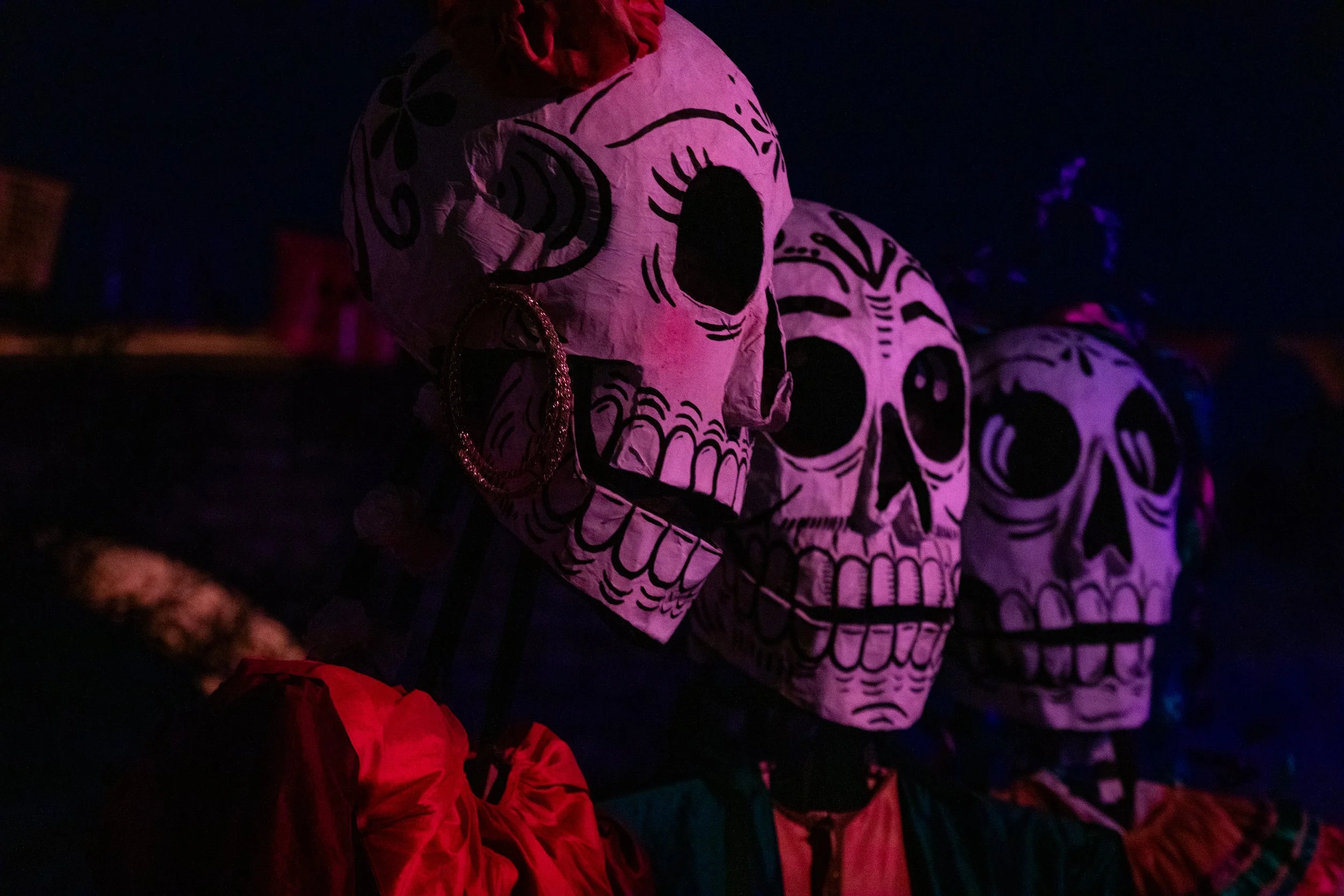
But what struck me most wasn’t the size of the installations or the technology behind them. It was how completely, unmistakably Mexican the entire experience felt. There were no obvious attempts to weave Halloween into the celebration or borrow familiar elements to make it more appealing to international visitors. Nobody seemed to think Día de Muertos needed a little help to entertain a crowd. It was simply Día de Muertos, from beginning to end.
And it was wonderful.
I’ve read and heard plenty of accounts from Mexicans explaining how personal Día de Muertos can be. For many families, the celebration centres on home altars, visits to the cemetery, quiet reflections, and small, communal remembering of loved ones who’ve died. Traditions vary between families and communities, but the memories of those who came before us are at the heart.
I’d always understood that there was something intimate about the celebration. Perhaps I’d unconsciously assumed that taking something so personal and putting it on such a grand public stage would inevitably change its character.
Calaverandia proved me wrong.
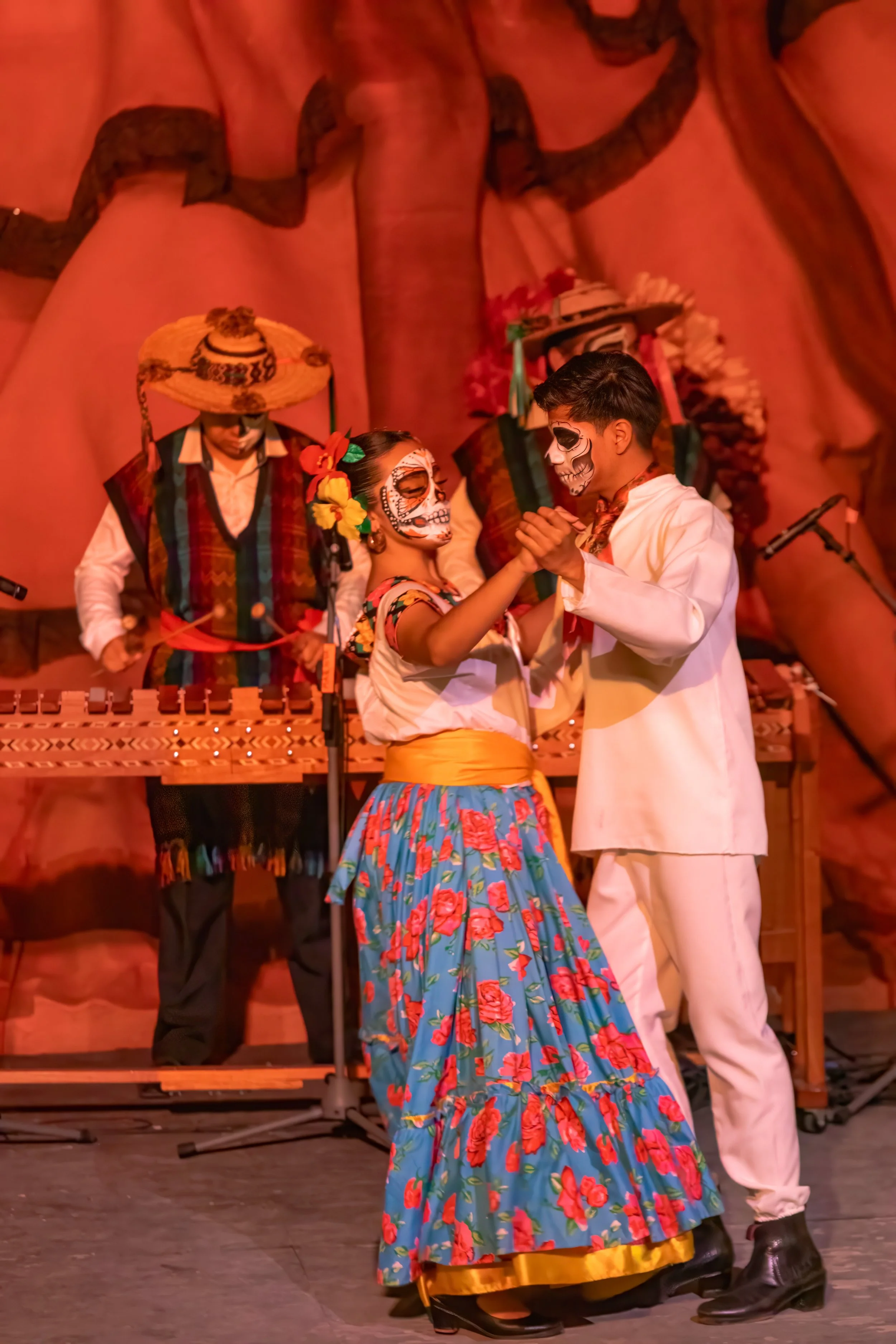
Created by Guadalajara-based Mexican company Altea Emotions, the park brings together art, technology, elaborate installations, and live entertainment in a celebration built around Día de Muertos itself. The company describes it as the world’s first theme park dedicated to the holiday. And what a production it is!
Yet, for all the enormous installations and elaborate lighting, the celebration never felt as though it lost sight of what it represented. The imagery wasn’t simply there to make everything look impressive. It was part of an experience that made room for remembrance alongside the excitement. Families and groups of friends were enjoying themselves everywhere we looked. There were smiles and laughter, and people seemed genuinely delighted to be there. But there were quieter moments, too.
The carefully constructed cemetery offered a more reflective space amid all the colour and movement. It was a reminder that behind the spectacle were real people, real memories, and the very real human experience of missing someone who is no longer here.
What struck me was how comfortably the two sides of the celebration sat together. Nobody seemed to think that remembering the dead meant you couldn’t have a good time, or that celebrating life somehow diminished the sadness of losing someone. I found myself thinking about that more than once during the evening.
The narrative light and multimedia show, “Alma” was one of the highlights of our visit. There’s something quite different about being surrounded by a spectacle rather than simply watching one. The darkness, the movement of light across the water, the oohs and ahhs of the crowd, and the sheer scale of the production combined to create something magical. It wasn’t just a matter of throwing impressive lighting effects at a large space and hoping people would be entertained. There was a story being told, and the presentation drew you into it. And for a while, you could forget about everything else around you and simply watch.
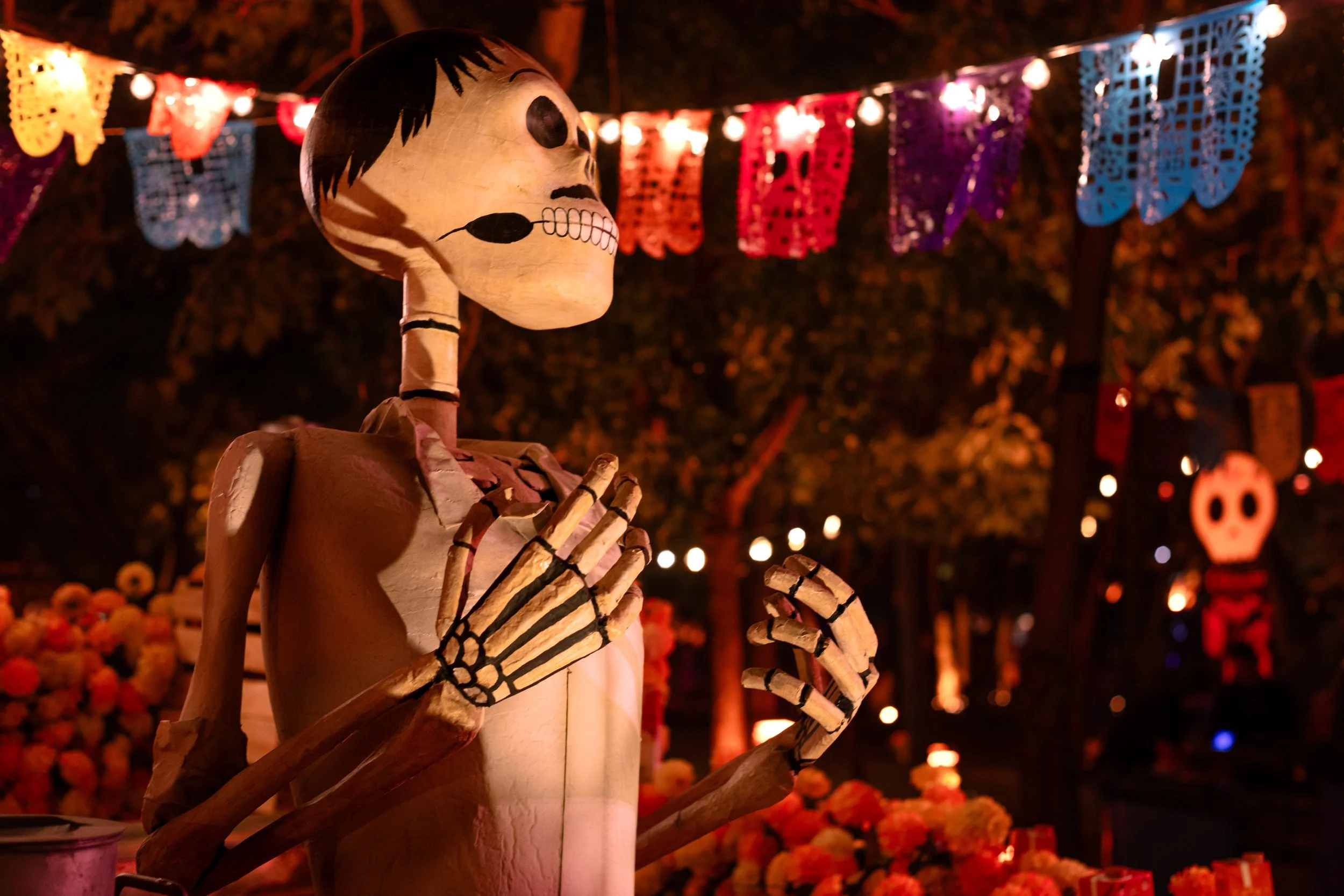
The enormous altar was another highlight. Altars are central to Día de Muertos, providing a place to remember loved ones through photographs and meaningful offerings or offerendas. They’re personal expressions of love and remembrance, shaped by the people and traditions of each family.
Seeing one on such a grand scale was quite something. The marigolds, candles, photographs, and other elements were beautiful, but they also served as a reminder of the meaning behind the displays. These aren’t simply colourful decorations. They’re part of a tradition that helps families maintain a connection with the people they’ve lost.
Then there was the giant Catrina rising from the lake! The elegant skeleton has become one of the most recognisable images associated with Día de Muertos, but seeing her on this scale was something else entirely. Her presence above the water was almost regal, and the reflections made the whole thing even more striking against the darkness. It was one of those sights that made you stop in your tracks and take it all in.
The park is extensive, with installations and experiences spread across a substantial area. We did a great deal of walking, and it’s easy to spend the evening rushing from one attraction to another, trying to see everything.
My advice? Don’t. Not every part of an experience like this needs to be a marathon. Sometimes it’s enough to stand there for a while and look.
Perhaps one of the most interesting things about our visit was how few international tourists we encountered. I’m not suggesting there weren’t any, but the park certainly didn’t feel as though it had been designed primarily for foreigners. It felt like a celebration Mexicans had come to enjoy for themselves.
I think more international visitors should experience Calaverandia. Not because it needs to attract more foreigners, but because it’s such a wonderful opportunity to understand Día de Muertos in a way that goes beyond the colourful skulls, the marigolds and the photographs that tend to make their way around social media. You get to experience something of what the celebration means and perhaps feel a little more connected to a tradition that might initially seem quite different from your own.
Of course we remember people we’ve lost. We talk about them, tell stories about them, and find ourselves thinking about them when something brings them to mind. But I’d never really considered making that remembrance an occasion in itself, something to return to every year in a more deliberate way. Watching the show, I found myself wishing that the traditions I’d grown up with had made more room for that kind of thing.
Then I thought, “There’s nothing stopping me from doing it myself.”
I want to find my own way of celebrating Nanny Daphne every year, to make a little space for her and the memories I have of her. I hadn’t gone to Guadalajara looking for that realisation, and I certainly hadn’t expected a night at a theme park to leave me thinking about my grandmother.
But it did, and that’s something I might never have thought about had I not experienced this celebration in the way it was intended. Living in Mexico, I’ve become increasingly aware of how easily the country’s traditions can be presented through the eyes of outsiders. Sometimes something distinctly Mexican gets repackaged to make it more familiar to visitors, as though its own identity needs a little help to be appealing.
Calaverandia didn’t give me that impression at all. There was no need to dilute the celebration with elements borrowed from elsewhere. Día de Muertos was more than capable of carrying the entire experience.
What I appreciated was that the park allowed the tradition to be itself. It was entertaining without making light of what it represented, and joyful without pretending that death and grief aren’t part of the story. Most of all, it felt as though we were being invited into something Mexican, rather than watching something Mexican that had been redesigned for our benefit. There’s a difference, and it made the evening all the more special.
Calaverandia is a ticketed attraction. It runs through November 8th, with tickets available through Boletomovil. It’s a carefully produced event designed to entertain, and the scale of the production is a large part of its appeal. But I came away feeling that it offered more than a night out at a theme park.
It gave me a different perspective on a tradition I thought I understood, and an unexpected reason to think about my own family. That’s quite a lot to take away from an evening out.
If you’re planning a visit, wear comfy shoes. There’s a lot of walking involved, and you’ll want time to explore without feeling that you have to hurry through everything. Allow yourself to linger at the displays that catch your attention. Watch Alma, and spend a little time in the quieter spaces, too.
If you’re an international visitor, go with an open mind. You don’t need to arrive knowing everything about Día de Muertos. You don’t need to understand every symbol or have a personal connection to the tradition before you get there. Sometimes you learn by simply being there. The lights will stay with me. So will the giant Catrina, the altar, and the sheer ambition of the production. But I’ll also remember sitting there, thinking about my grandmother and realising that I’d found something I wanted to bring home with me.
I expected a spectacular evening, and Calaverandia delivered that in abundance. What I hadn’t expected was to find myself thinking about Daphne, or to leave with the idea that I wanted to create a new tradition of my own.
Calaverandia is a celebration of Mexico’s relationship with those who have gone before us. But you don’t have to be Mexican to find something meaningful in that. Sometimes the best way to understand a place is to stop assuming you already do.
Last Friday night in Guadalajara, I got a rather spectacular reminder of that. And I think my Nanny Daphne might have something to do with how I’ll remember it.