
Mascara, mascots, and gansitos: My unsettling day at the Bimbo plant
Bethany Platanella is a travel planner and Michelin Guidebook writer based in Mexico City. She lives for the dopamine hit that comes directly after booking a plane ticket, exploring local markets, practicing yoga and munching on fresh tortillas. Sign up to receive her Sunday Love Letters to your inbox, peruse her blog, or follow her on Instagram.
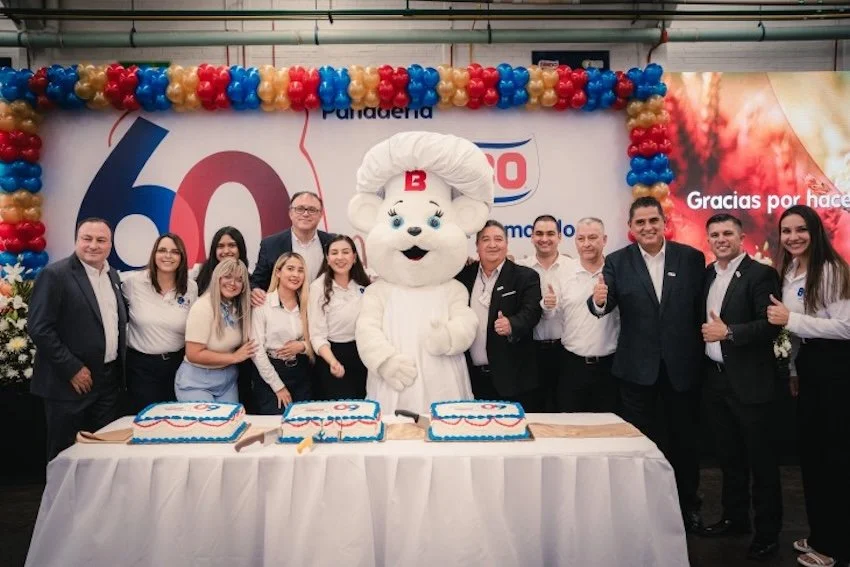
My friend M, an 80-year-old Chilanga, invited me to join her and 20-odd seniors on a tour of the Bimbo plant in Azcapotzalco, Mexico City. Delighted to be among people my own energetic age (I'm 42), I carefully followed the rules she sent me no less than four times in the weeks leading up to the tour.
My only job, aside from skipping mascara that day, was to arrive promptly at 8:40 a.m. in front of a theater in Condesa, where I would meet M and her friend T. An Uber would take us to Azcapotzalco. As the ladies crossed the street, I noticed T looked awfully… made up.
"You're not allowed to wear makeup, T," M reminded her friend as I stifled a chuckle.
"Oh, it's just a little bit," T snapped back, puckering her bright pink lips and sweeping her fingertips across the streaks of blush on her cheeks. "It's really just some blue eyeliner," she added, fluttering her painted lashes.
Before M could answer, the Uber pulled up and we piled in. The ride from Condesa to Azcapotzalco takes about 30 minutes, mostly up Ejército, until the leafy central zone gives way to the sprawling warehouses and smoke-tinged skyline of the northern industrial zone.
We arrived first and waited on the only bench in sight, watching employees arrive for their shifts: most in hard hats, all in work boots, and all wearing the hairnets we would later be forced to sport.
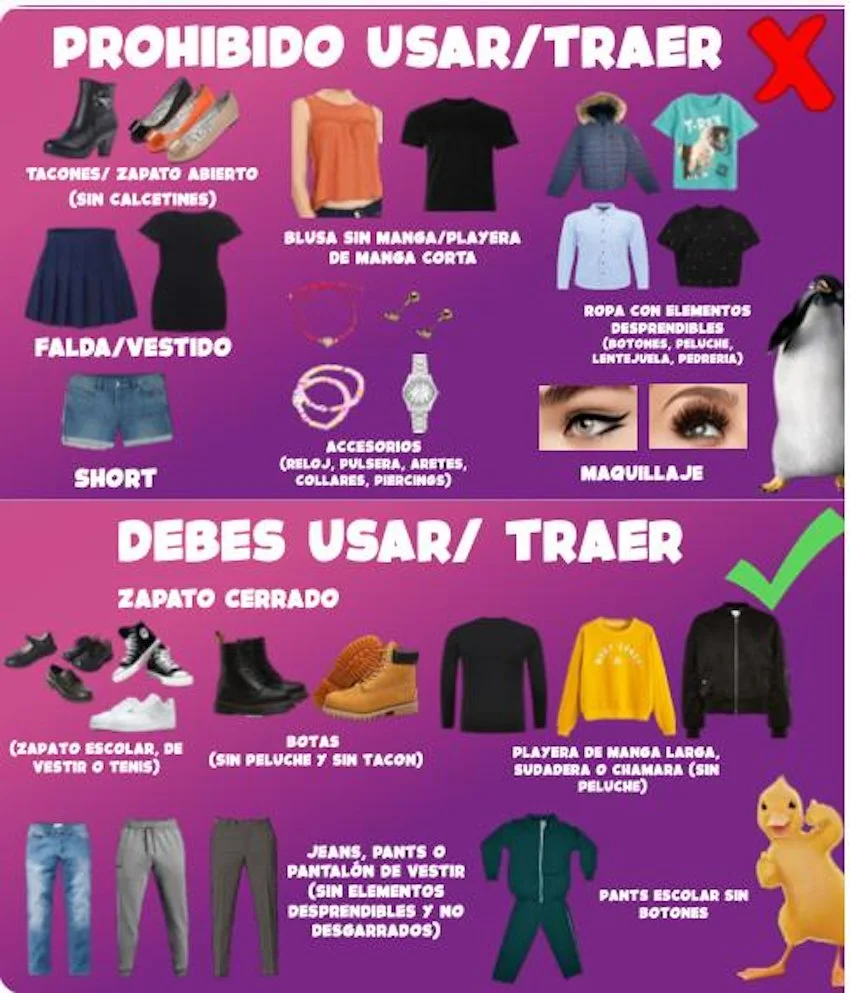
M's friends began arriving in packed Ubers and chauffeured SUVs. The first thing I noticed (and, judging by her widening eyes, M as well) was that nearly every woman wore makeup. Of the few men, one wore buttons. Most wore accessories. Would they even let us in? The rules were so clear and so strict: NO MAKEUP OR ACCESSORIES OR BUTTONS OF ANY KIND!!
A kid of about 24 suddenly appeared with a megaphone. After several failed attempts, he rounded up the chattering seniors, whom he kept calling chicos, lined us up single file and walked us through the giant red gates toward the factory.
A little apprehensive, I watched each woman walk in without anyone so much as glancing at her three layers of mascara. Here, it seemed, rules worked more like suggestions. (Bimbo, as it turns out, has a real talent for bending them. More on that later.)
Despite the lax enforcement on all us chicos, rules were boldly posted everywhere. The footpath leading to the factory entrance offered endless reminders of all the things we couldn't do:
No walking while looking at your cell phone
No stepping outside the yellow lines
No running, pushing, or shouting
No food, drinks, or chewing gum
No long or painted fingernails
Mandatory beard nets and hairnets
Inside, the plant was enormous, the kind of place that looked like it should be churning out tennis balls. The fact that it was making food, something people would put in their mouths, frankly grossed me out. And yet the whole thing looked like a cartoon. Cookies bobbed along conveyor belts from one station to the next. The masa dropped onto the belt in perfect squares and rolled into the oven. On the other side, workers stacked the hot cookies into trays with their bare hands, since gloves would melt. Another worker restacked them and sent them down another belt, where they got a coat of multicolored icing. One station showered them with coconut flakes. The next one squashed them flat. Then we moved on, and that was the last I saw of them.
Bimbo opened in Mexico City on December 2, 1945, selling a novelty: bread wrapped in cellophane. The company went public in the 1980s, and in 1984 the first truckload of Marinela exports, Gansitos included, rolled north to Houston. Today, Bimbo calls itself the largest baked-goods company in the world.
In 1972, Bimbo built what it calls Latin America's biggest bread bakery, on 22 hectares of a former ranch. Around that time, the company says, its production lines turned out a large loaf and a half every second. Two years later, a Marinela plant opened next door. According to our guide, the plant we were touring was that very bakery.
The numbers are impressive. More impressive is how ingrained Bimbo is in Mexican society. Most of the members of my tour group were born around the time of Bimbo's founding and grew up with its factory-made snacks. The tour guide quizzed us on different Bimbo products, tossing packages of cookies to the winners. I knew absolutely nothing about anything, aside from the Príncipe cookies I've indulged in on domestic Aeroméxico flights, yet my neighbors belted out one correct answer after another, cookie packages flying ceaselessly above our heads.
It was at that point I realized it's really not the snack. It's the bear. For people who grew up alongside him, the little white bear is part of childhood itself, and nobody aces a snack quiz like that without a little love.
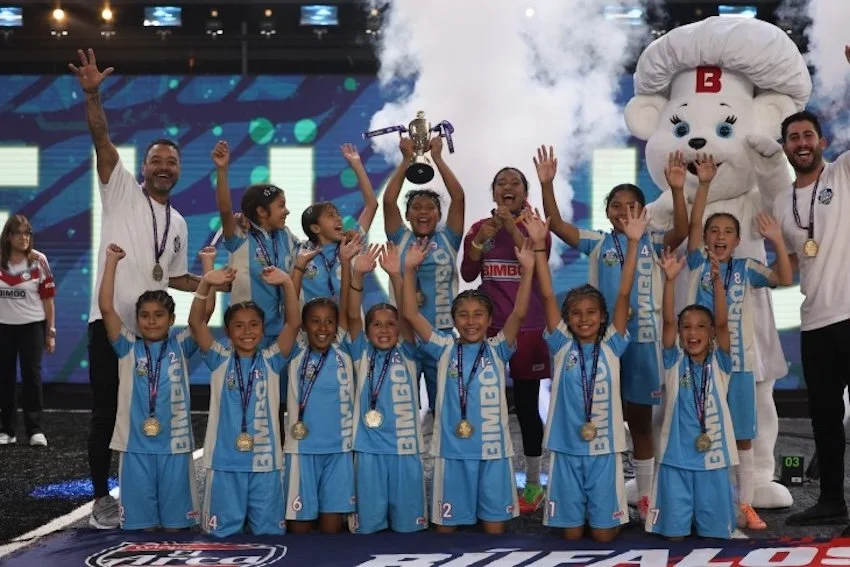
El Osito Bimbo is one of several characters Mexico loves (in some cases, loved): Farmacias Similares' Dr. Simi (who, at some point in the near future, I will gripe about), Choco Milk's Pancho Pantera, Choco Krispis' Melvin the Elephant, and Bimbo's own El Negrito, whose name the company shortened to Nito in 2013 after years of criticism over racist imagery.
Of this list, only two still look the way Mexico remembers them: the bear and Dr. Simi, whose pharmacy shelves sit outside the food law that came next.
In 2020, Mexico put a strict food-labeling regulation known as NOM-051 into effect. Its goal was to fight obesity and diabetes, and the need was hard to argue with: in 2023, the OECD named Mexico the member country with the highest rate of diabetes and second highest rate of obesity after the U.S.
Under the new rule, any prepackaged food or drink carrying even one warning seal could no longer feature characters on its packaging. Companies had until April 2021 to pull them.
"We hardly use any preservatives in our products!" our sweet, young guide assured us. Unless, of course, you consider Principe cookies, Takis Fuego Snack Mix, Bimbo Toasted White Bread and Gansito Snack Cakes, all of which the EWG rates “of high concern” due to unsafe nutritional content.
First, Bimbo reformulated its bestsellers. When the law took effect, the company announced that its sliced breads and buns would carry no warning seals at all, since they had already been changing recipes to decrease sugars and trans fats and increase fiber. No seal, no ban, so the bear stayed put.
Second, Bimbo moved the bear somewhere the law couldn't touch: the napkin aisle. Pétalo, a household paper brand, released a special edition of napkins featuring El Osito alongside Pétalo's own puppy. If he couldn't sit on the snacks, he could sit next to them on the kitchen table.
Third, if the bear couldn't go on the bag, he could go on the bread. In early 2021, shoppers went viral with photos of El Osito stamped right onto Bimbo loaves, smiling up through the clear plastic.
The tour lasted about one hour, from the time we entered the red gates to the moment we exited them. On the way out (not single file, this time) I passed the same signs: no phones, no running, no gum. I added a few of my own. Makeup, only a little. Mascots, only on the bread.
The longer I live in Mexico, the less sure I am about the rules. Should I just stop following them and see what happens?