
Swept up together
Charlotte Smith is a storyteller and unapologetic observer of life in Mexico, who writes about the country as she experiences it - with curiosity, a healthy dose of skepticism, and genuine affection. From people and places to the strange, funny, and sometimes complicated moments of everyday life, Charlotte believes there’s a story almost everywhere if you stop long enough to notice it.
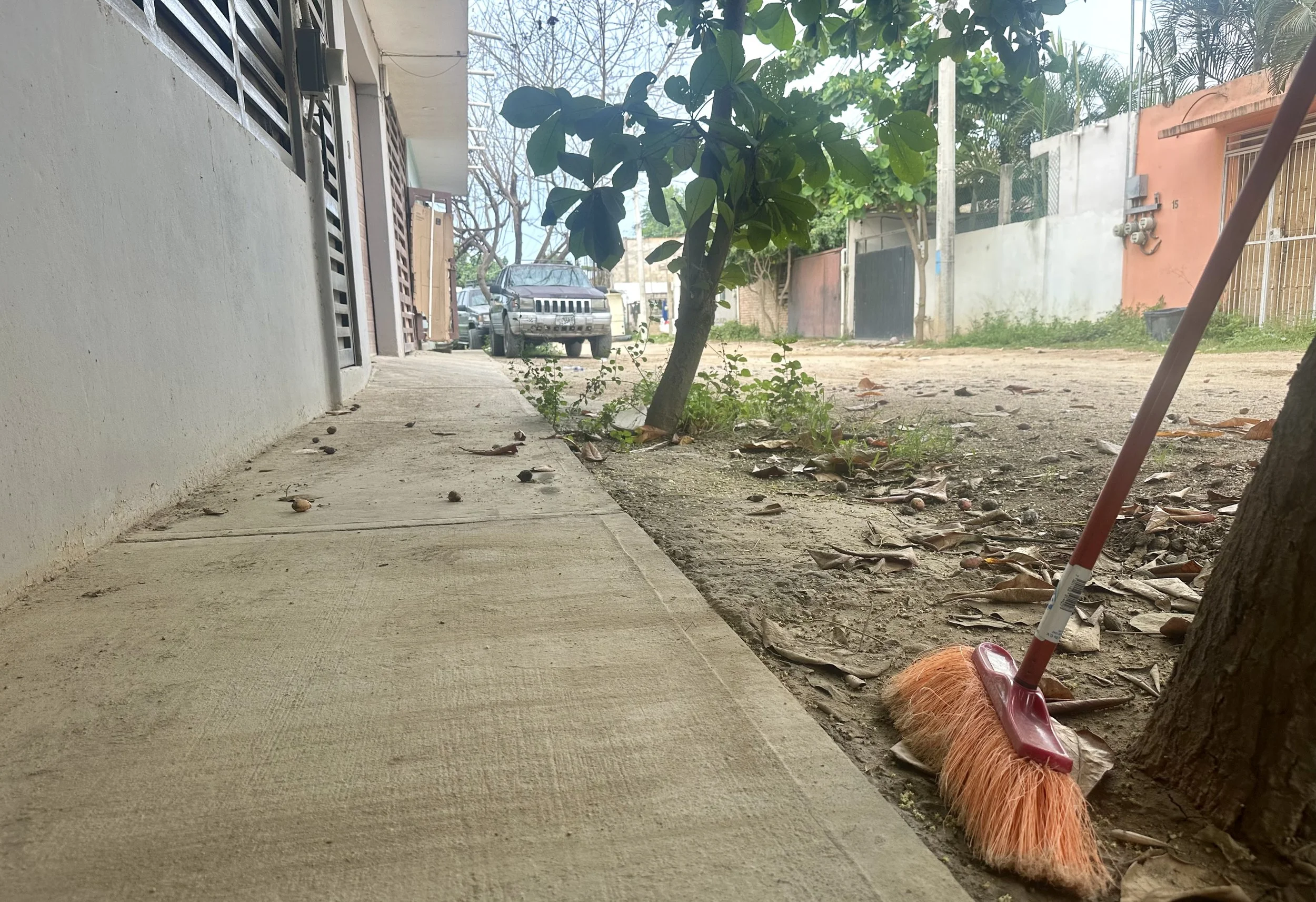
I live at the end of a dusty dirt road in a less-than-modest area nestled on the east side of Bucerias. My home has a yard for the dogs, a pool to cool in, and best of all, neighbors who’ve turned its three streets into a true commons of care. Pride of place here isn’t spectacle. It’s daily, domestic, insistently ordinary, and inherently Mexican.
There’s a choreography to the morning that used to puzzle me.
Long before the sun burns the horizon, brooms appear in hands that know the exact tilt and pressure to loosen dust. Women and men sweep their stretches of the small strip of street in front of their houses, moving the dust into neat little arcs like commas that shape the sentence of the block.
They splash water from plastic jugs or small cans, watching the dust lay down into a temporary gloss that the broom then shapes into a tidy line. It looks, from a distance, like a futile ceremony. The dust will return with the next wind and the stray dogs will track it back in.
But there’s a reason. And it’s not only cleanliness.
At first I thought it quaint. I thought it futile that someone would sweep a place that would need sweeping again within the hour. Later, watching how neighbors moved; how they paused to trade a word, how a child would chase a ball reclaimed from a tidy corner, I began to see it differently.
The sweep isn’t a symbol of lasting permanence. It’s an assertion of care against a world that often forgets the small things. It says, “This square of ground matters. This entrance matters. You matter enough that I will spend part of my morning making it right.”
There’s a distinctly Mexican logic to this practice. It’s a sort of tenderness toward the thresholds of life. Doors and stoops aren’t merely private property, they’re stages set and decorated for exchange.
To sweep your front steps is to make them hospitable, to invite the neighbor’s handshake, the passing gossip, or the vendor’s call. To sprinkle water is to tame the dust and, in the heat, to cool the ground enough for someone to stand and talk. The act is both pragmatic and ceremonial. It keeps dirt from reclaiming shoes and also keeps social life from dissolving into drift.
My earliest resistances softened into comprehension as I learned the names of the hands that moved the brooms.
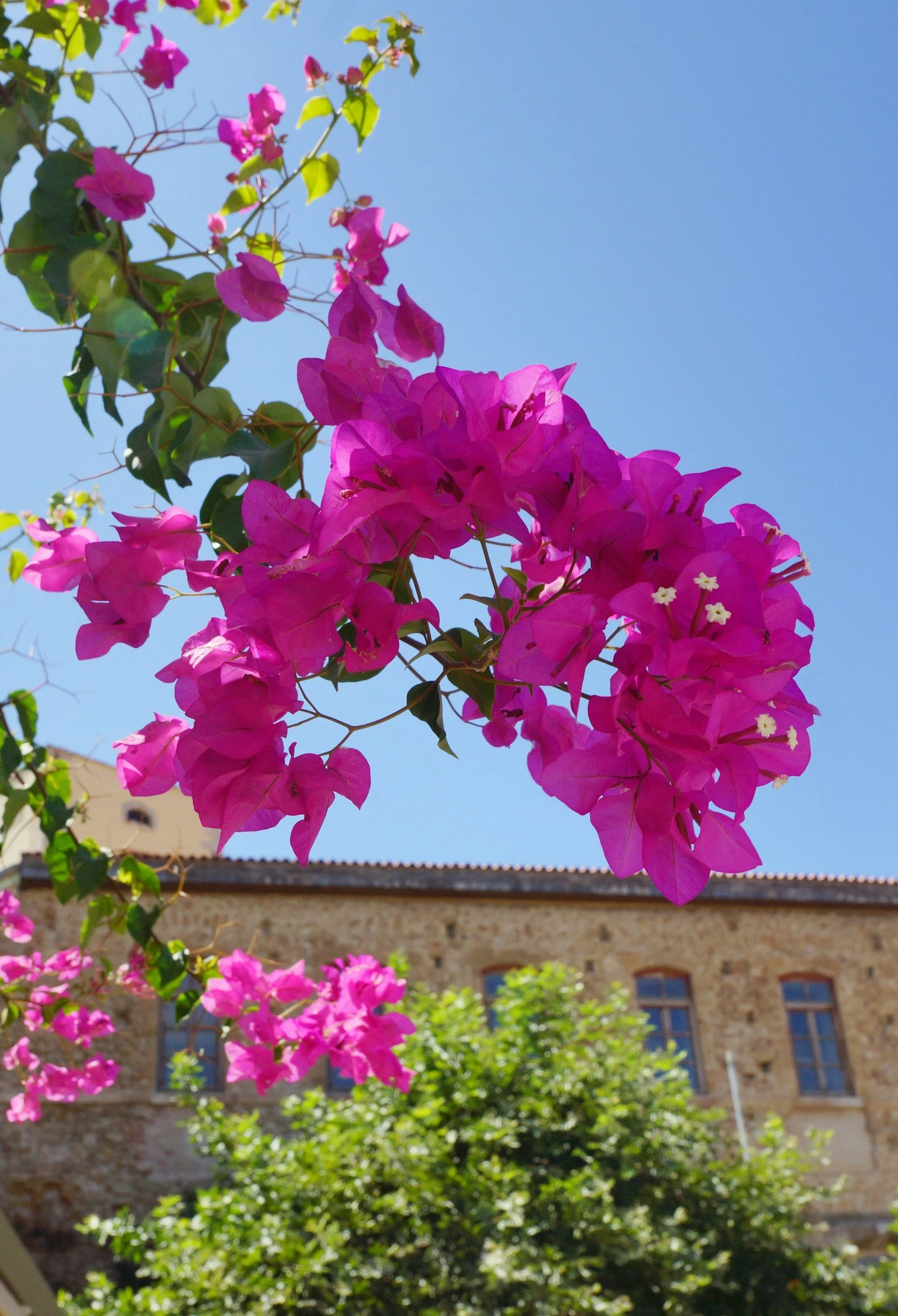
Señora Alma, who sweeps with a practiced wrist and leaves a sprig of bougainvillea on the gate when someone is ill. Miguel, who wets the road and hums an old ranchera as he works. The boys who hurry out with a floor brush after breakfast, learning the motion that will one day be expected of them. They sweep not simply because of neatness but because order begets neighborliness.
When someone keeps their entranceway tidy, they’re signaling they’re present. They’re alert to the street’s small emergencies, ready to exchange news or lend a cup of sugar.
There’s a moral grammar in these gestures.
The neat line of swept dust is a modest declaration. We will not let disorder settle here without reply. It’s a ritual of regard for public space that’s neither bureaucratic nor institutional. It’s local, hands‑on stewardship.
In an environment where infrastructure may be intermittent and where municipal services aren’t always prompt, pride of place becomes a civic act executed with brooms and water jugs.
People take responsibility for the bits of the commons that intersect with their lives, and in doing so they protect one another.
The water‑sprinkling itself carries particular meaning.
In a region of wind and sun, a little water calms the day. It lifts dust from the soles of infants and from the lashes of elders, and it keeps the air bearable in the mornings and evenings.
When a woman walks the lane with a plastic can and mists the pavement, she’s performing a small mercy. For the stray animals, for the neighbors with breathing troubles, for the children who’ll run without raising clouds.
It’s both practical and generous. And you see the reciprocity. A neighbor who sweeps will also fetch medicine or hold a ladder when a roof needs repair. Neighbors mend crooked gates, paint peeling shutters, share buckets to wash a car or to clean windblown sand from a porch.
Someone will notice if a potted plant is drooping and pass along a cutting. Someone else will bring a bowl of caldo to a household that is nursing a fever.
Pride of place is stitched from a thousand small attentions, each one a thread of belonging. It isn’t showy, nor does not make a spectacle. But it makes a life. There’s a dignity in these ordinary economies.
The woman with tamales rises before dawn to feed a block with warmth and sustenance. The chicken farmer counts his eggs like a careful ledger. The weaver at the end of the block braids palm leaves with the patient expertise of generations.
Pride of place isn’t the same as tourist‑facing pride, where town façades are tidied for photos and markets stage tradition for foreigners. This is inward‑facing, practiced for neighbors and for the pleasure of making one’s small domain just right. Children learn how to stand with a broom, how to splash water without wasting it, how to greet an elderly neighbor with the correct mixture of attentiveness and reserve. They learn that being part of a place requires upkeep.
Pride is transmitted as a series of household economies. How to barter for feed, how to arrange a small altar for the saints while ensuring the street remains passable. It’s not merely a cultural quirk, It’s a way of sustaining social life in the face of scarcity.
Of course, there are complications. Pride of place can be exclusionary when it becomes a method of policing who belongs. In some streets, tidy standards are enforced with suspicion, and those who can’t meet them are quietly othered. But in my street, the sweep and the water jug have largely been instruments of inclusion.
They call people to join the share of responsibility and to sit in the shade of a common trust. The neighbor who sweeps will also be the neighbor who notices when a newcomer struggles to find work and will offer a pointing hand to a contact or a spare job. This insistence on the neatness of thresholds helps explain small public benefactions.
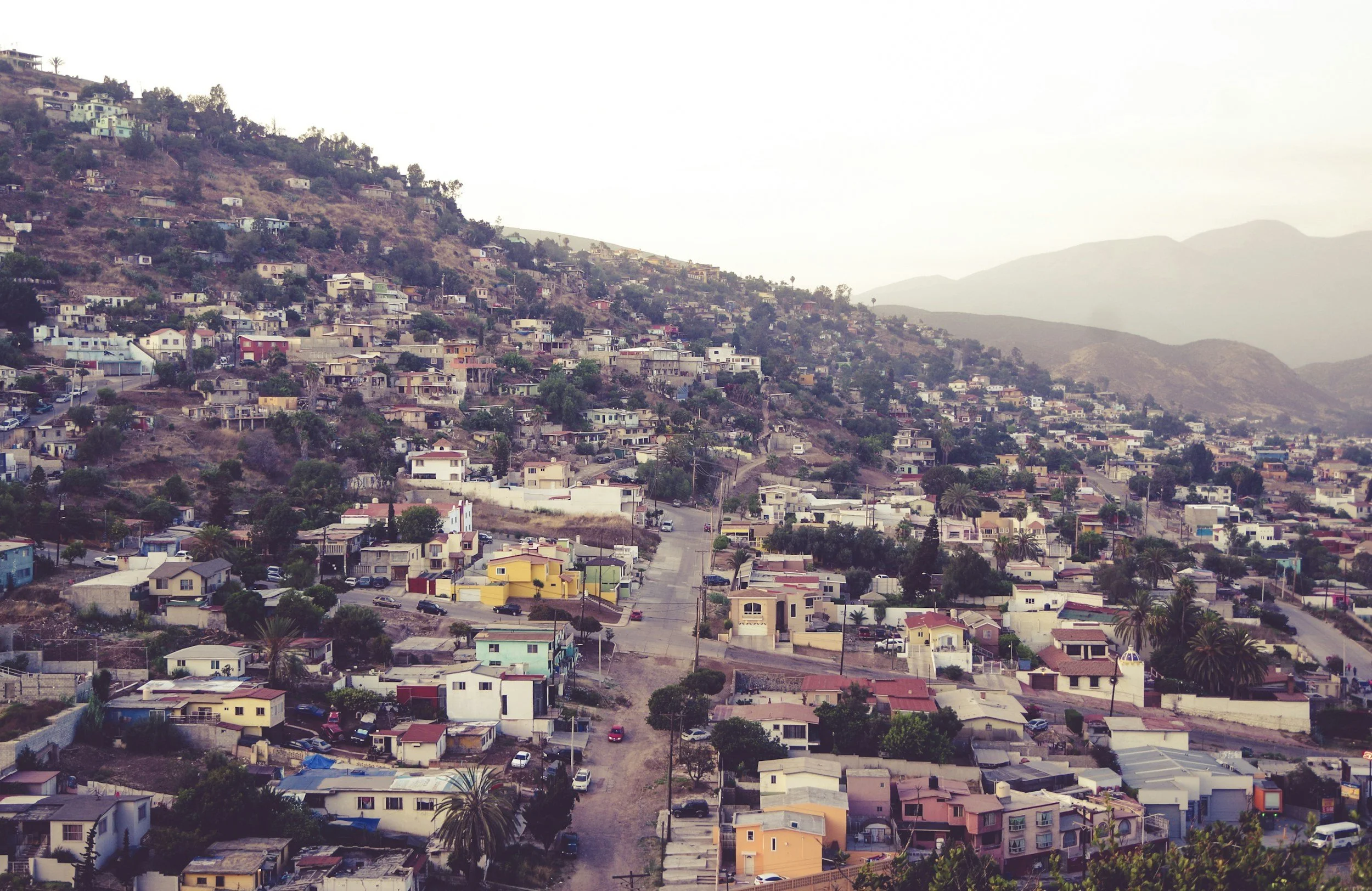
The time someone spends patching a gutter, the hour devoted to retying a net, the willingness to lend a ladder. When public services lag, neighbors compensate. When a storm topples a tree, it’s the street that mobilizes, piling limbs at the curb and sharing the labor. The practice of pride of place is thus also a practice of resilience. It makes a place able to receive trouble and to respond.
I’ve come to understand these rituals as a form of citizenship. Like an everyday civicness that isn’t registered in vote counts or municipal budgets, but is felt in the steadiness of a swept path. It is, perhaps, the most honest kind of patriotism. Not the loud claim of flags and slogans but the quieter, daily defense of a good place to live.
The people on my street, dusty, patient, and exacting, are the custodians of that ethic. They sweep and they water not because they anticipate applause but because they’ve decided this little patch of the world is worth their time.
When I now lift my own broom on a warm morning and pour a judicious arc of water across the street, I do it with the awareness that my action participates in something larger than a clean entrance. I’m answering a call that’s been made in countless neighborhoods across Mexico. That places are made livable by attention, and that public life is kept healthy by hands.
It’s a small, repeated insistence that, together, we’ll keep our entranceways swept and our doors hospitable.
Pride of place, as practiced here, is both a discipline and a kindness. It is very Mexican in its combination of care and realism: a tenderness for thresholds matched by an acceptance that weather and time will always have the final say. Yet the discipline persists. We sweep. We water. We talk. We share food and tools and the small labors of repair. In doing so we shape a place that holds us. I understand now why it matters. I understand, finally, what the sweep and the splash mean: not futility, but fidelity.